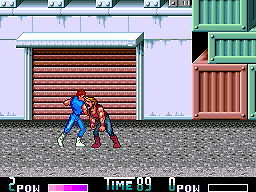
Double Dragon II: The Revenge
1993 Beat 'em Up
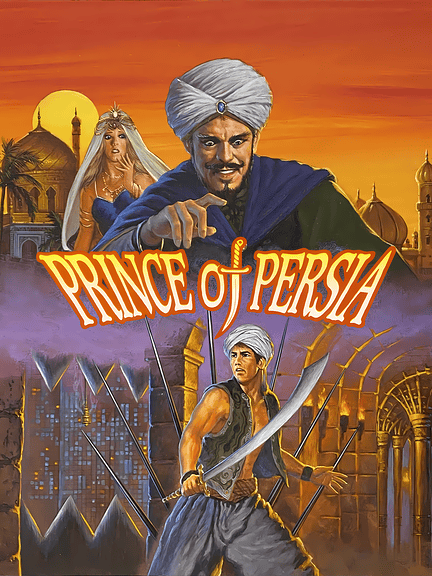
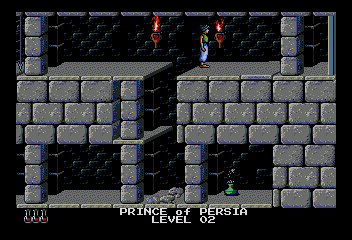
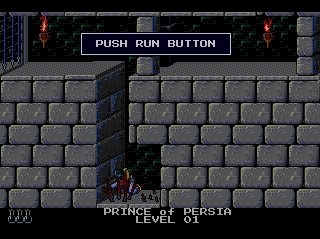
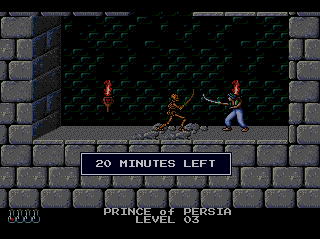
The TurboGrafx‑CD version of Prince of Persia arrived as part of a wave of ports that turned the 1989 Apple II classic into a truly international hit. Japanese developers Arsys Software and Riverhillsoft took the opportunity to polish the visuals and give the Prince his now‑iconic turban‑and‑vest look, making the CD‑based edition stand out on the console’s CD‑ROM hardware. While the core gameplay remained unchanged, the CD format allowed for crisper sprites and a richer soundtrack that echoed the game’s cinematic roots.
What set the original title apart—and carried over to the TurboGrafx release—was Jordan Mechner’s pioneering use of rotoscoping. He filmed his brother David performing acrobatic runs in white clothing and traced those frames, creating a 12‑frame walk cycle that still feels fluid today. The sword‑fighting animations were lifted from the final duel in *The Adventures of Robin Hood*, giving each slash a surprisingly realistic weight.
Critics praised the game’s animation and tense platforming, awarding scores in the 80‑90% range across magazines. Its influence rippled through the industry, inspiring later cinematic platformers like *Another World* and even the early design of *Tomb Raider*. Decades later, fans still celebrate the TurboGrafx‑CD edition as a polished snapshot of a landmark title that helped define the genre.
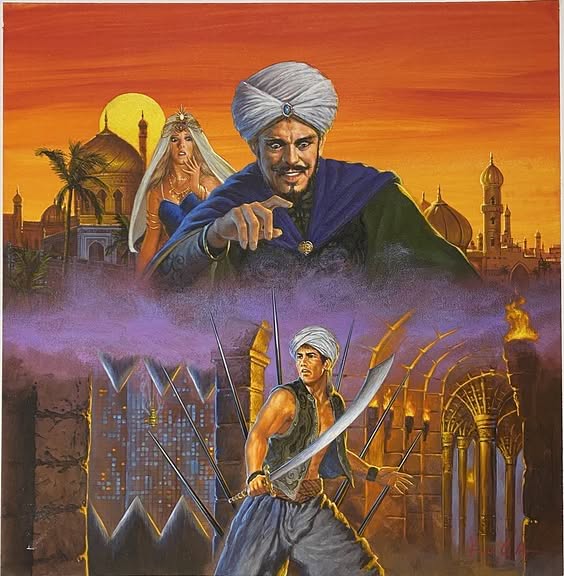
Prince of Persia (TurboGrafx‑CD) is set in medieval Persia while the sultan fights a war abroad. His vizier Jaffar, a wizard, usurps the throne and locks the sultan’s daughter in a tower, demanding she become his wife or die within 60 minutes. The unnamed hero, loved by the princess, is thrown into the palace dungeons and must escape, reach the tower and defeat Jaffar before the timer expires.
In level 4 a magic mirror forces the hero to jump through, releasing a doppelganger that drains his health to one. This apparition later steals a potion in level 5, hurls the hero from level 6, and throws him into a dungeon in level 7. Level 8 traps the hero behind a gate; the princess sends a white mouse to trigger the gate open so he can continue.
Level 12 introduces a shadow twin that shares the hero’s lives—damage to one hurts the other. The only way forward is to merge with the twin, then cross an invisible bridge to a new area where the final showdown with Jaffar takes place. After the last checkpoint the game no longer ends in a game‑over, and when Jaffar is slain the timer stops, displaying the remaining time on the high‑score screen.
Edited by Maya Carter
1993 Beat 'em Up
1991 Platformer
1992 Puzzle
1991 Role-Playing