Play The Jetsons: Invasion of the Planet Pirates Online
Game Info
- Platform
- SNES
- Genres
- Action · Platformer
- Player Perspective
- Side view
- Developers
- Sting Entertainment
- Publishers
- Taito
- Release date
- February 1, 1994
Summary
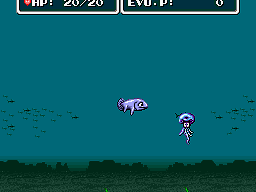
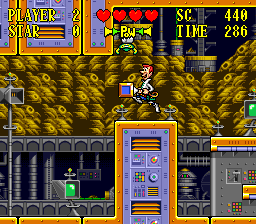
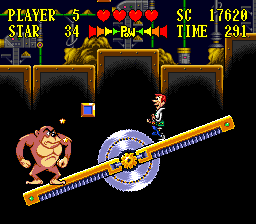
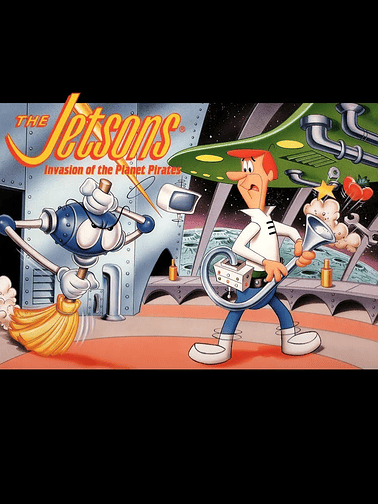
The Jetsons: Invasion of the Planet Pirates lets you step into George’s shoes with a quirky gadget called the Pneumo‑Osmatic Precipitator, or P.O.P. for short. This vacuum‑like tool sticks to walls and ceilings, lets you breathe underwater, and even sucks up enemies or blocks to fling them at other foes, turning platforming into a sticky, suction‑powered puzzle.
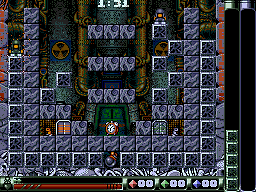
Across nine intergalactic stages you’ll juggle heart‑based health, chase high scores, and unlock bonus rooms where you must snatch items before the clock runs out. Levels are peppered with tube‑transport sections and a high‑speed chase that breaks the usual platform rhythm, while each area culminates in a mechanical boss that tests your P.O.P. mastery.
The game’s visual flair earned it a nod from Electronic Gaming Monthly for faithful cartoon animation, though critics noted the suction‑cup attack felt awkward. It also marks the final use of Sting’s classic Mitsuhito Tanaka sound driver before the studio was forced to rebuild the audio engine for future titles.
Storyline
In The Jetsons: Invasion of the Planet Pirates, Captain Zoom warns George during his commute that Zora, the ruthless leader of the space pirates, is plotting to strip the Solar System of its resources. Determined to stop the raid, George embarks on a nine‑stage intergalactic quest. He relies on a quirky gadget called the Pneumo Osmatic Precipitator (P.O.P.), which lets him cling to objects and breathe underwater as he battles through each level. The device becomes his key advantage against Zora’s fleet, guiding him toward the final showdown.
Edited by Maya Carter
Game Screenshots
Multiplayer
- Game modes
- Single