Play Nobunaga's Ambition Online
Game Info
- Platform
- SNES
- Genres
- Simulation · Strategy
- Player Perspective
- Top-down
- Developers
- Koei
- Publishers
- Tecmo Koei Games · Koei
- Release date
- August 5, 1993
Summary
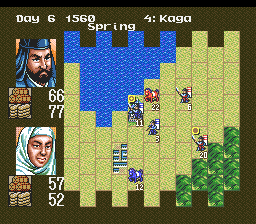
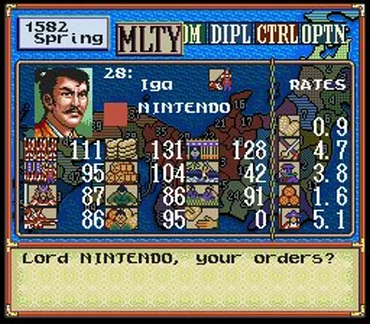
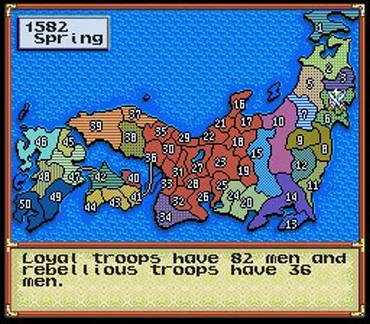
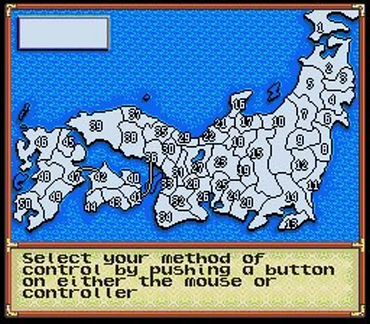
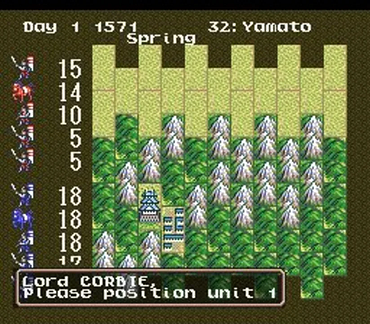
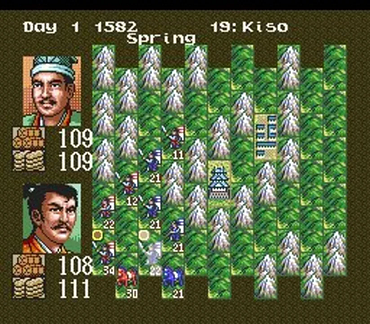
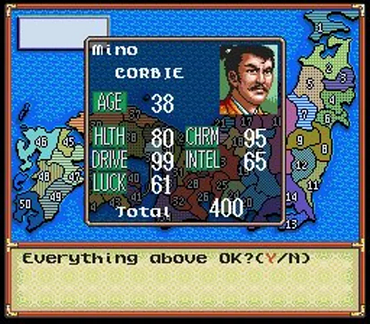
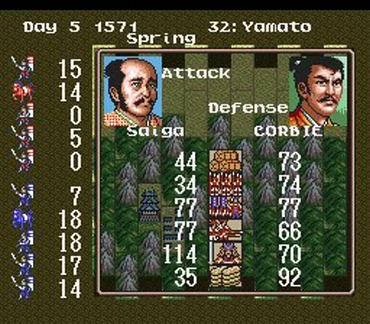
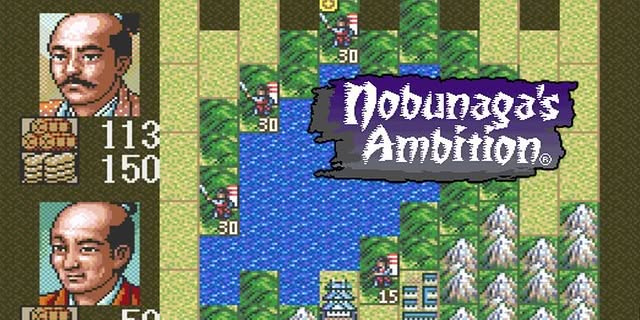
Playing Nobunaga's Ambition on the SNES feels like stepping into a living history textbook. You govern a feudal domain, juggling taxes, rice stores, flood control and even marriage alliances while the map cycles through the four seasons. The game’s 50‑province layout lets you launch one of four campaigns—Battle for the East, Daimyo Power Struggles, Ambition Untamed, or Road Towards Unification—each demanding careful turn‑by‑turn resource allocation and diplomatic maneuvering. Battles unfold on a hex‑grid where you can command soldiers, ninja or merchants, and victory comes from forcing retreats, crushing command units, or simply outlasting an opponent’s supplies. Reviewers praised the SNES version’s intuitive control interface and deep combat system, noting it stayed true to Koei’s detailed simulation roots while offering a solid multiplayer experience.
Storyline
Nobunaga's Ambition on the SNES drops you into Japan’s chaotic Sengoku period of the sixteenth century. You can lead Oda Nobunaga or any of the rival daimyōs, using a mix of military conquest, diplomatic maneuvering, and economic management to bring the country under one banner. The game’s campaigns are anchored to real historical milestones: the 1560 "Battle for the East" and "Daimyo Power Struggles," the 1571 scenario titled "Ambition Untamed," and the 1582 "Road Towards Unification." Each scenario mirrors the actual conflicts and power shifts of the era, letting players experience the strategic challenges that shaped Japan’s unification.
Edited by Maya Carter
Game Screenshots
Game Artworks
Multiplayer
- Game modes
- Single
External Links
You might also like
SOS
1993 Action
Rendering Ranger: R2
1995 Shooter
Elite Soccer
1994 Sports