Play Kenseiden Online
Game Info
3.4 / 5
8 votes
- Platform
- Sega Master System
- Genres
- Action · Platformer
- Player Perspective
- Side view
- Developers
- Sega Enterprises, Ltd.
- Publishers
- Sega Enterprises, Ltd.
- Release date
- June 2, 1988
Summary
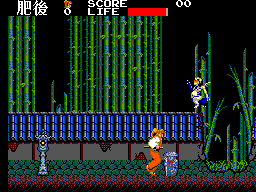
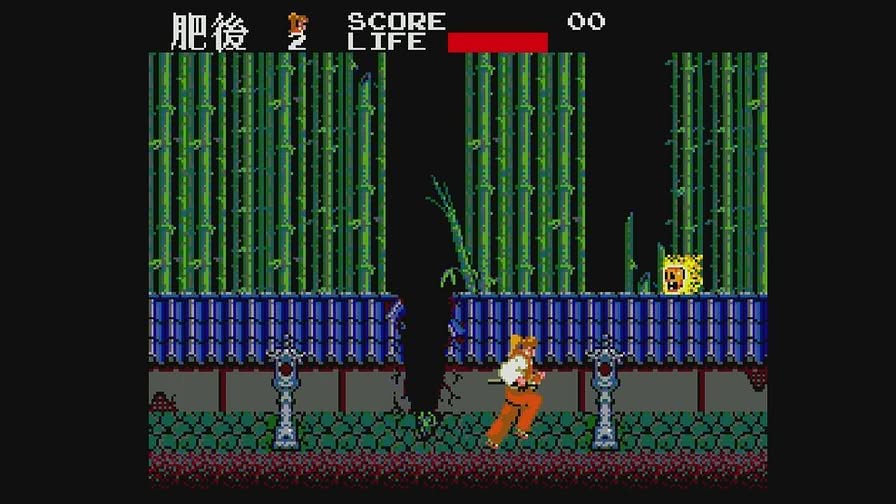
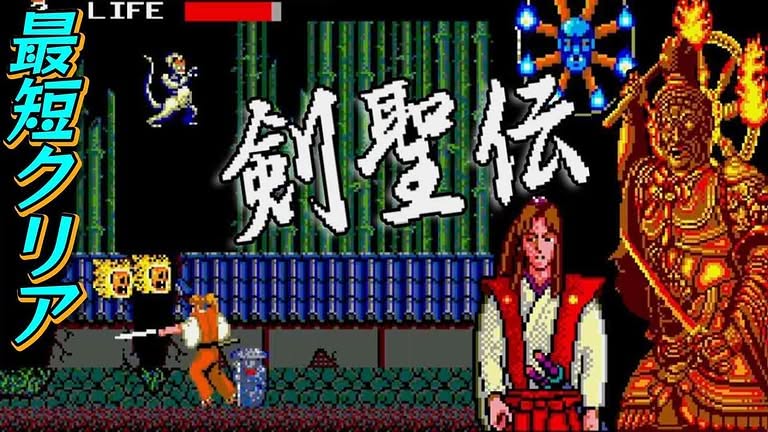
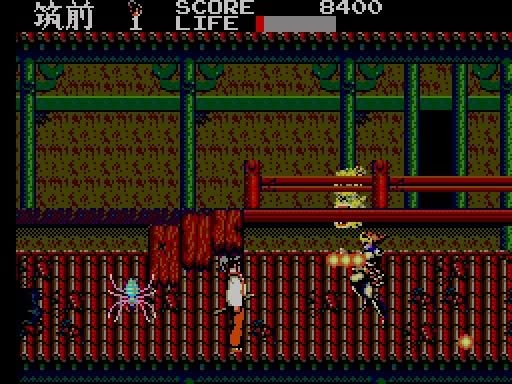
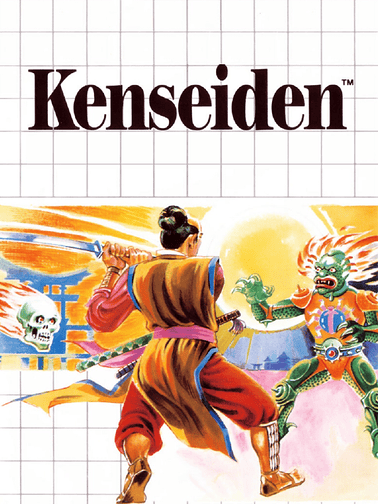
Kenseiden is a Master System side‑scrolling platformer that drops you into a stylized, feudal‑Japan setting where every province feels like a miniature adventure. What really sets it apart is the freedom to hop between levels after you clear the first few, letting you backtrack or tackle later stages in whatever order you fancy—except for the final showdown, which stays locked until you’re ready. The game’s visual flair is surprisingly rich for an 8‑bit console, with detailed still screens that double as puzzle clues and a cast of oddball enemies, from pot‑bellied monkeys to mythic samurai spirits. In South Korea the title was rebranded as Sword of the Hwarang, swapping the hero’s look and swapping Japanese locales for Korean ones, but the core gameplay stays the same. Critics at the time praised its blend of hack‑and‑slash action, brain‑teasing puzzles, and replayable map design, and even years later it still earns nods for its quirky charm.
Storyline
Kenseiden (known as Sword of the Hwarang in its South Korean release) puts players in the role of Hayato, a samurai living in 16th‑century Japan. His quest is to recover five mystical scrolls and a sacred sword that have been stolen by a cabal of warlocks and spirits commanded by the warlord Oda Nobunaga. The Japanese version keeps the setting firmly in feudal Japan, while the Korean version re‑imagines Hayato as a Hwarang warrior and relocates the stages to historic Korean locales.
Edited by Maya Carter
Game Screenshots
Multiplayer
- Game modes
- Single