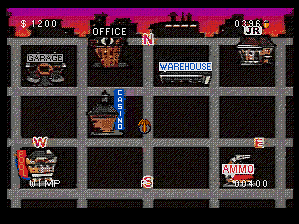
Who Shot Johnny Rock?
1991 Shooter
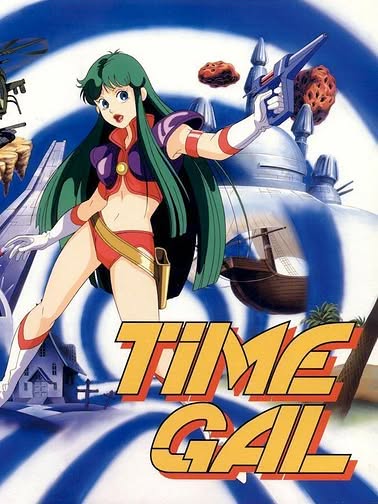
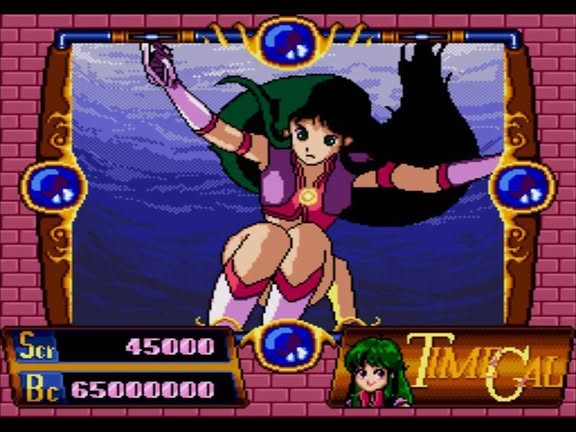
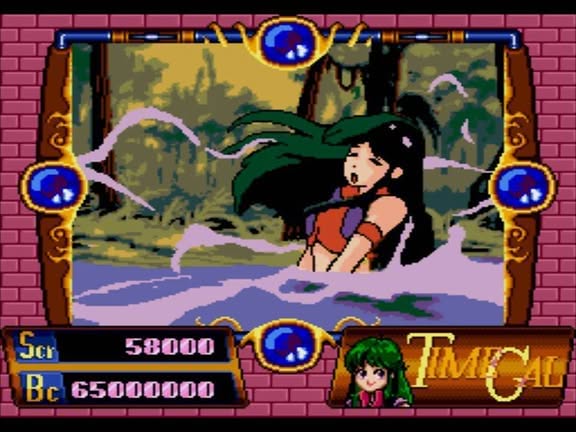
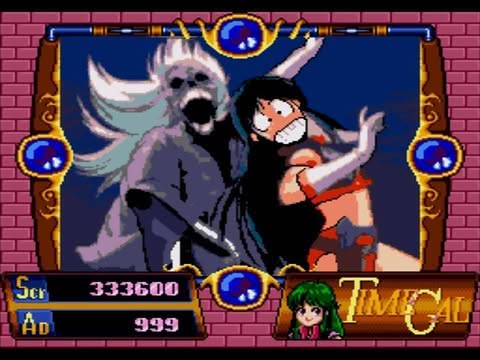
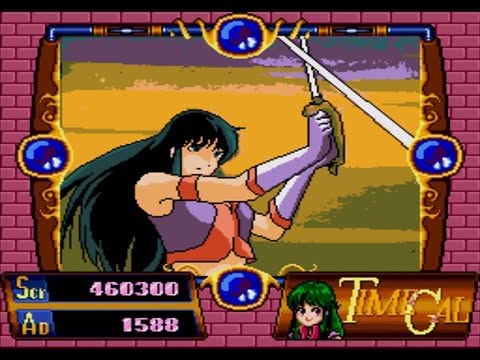
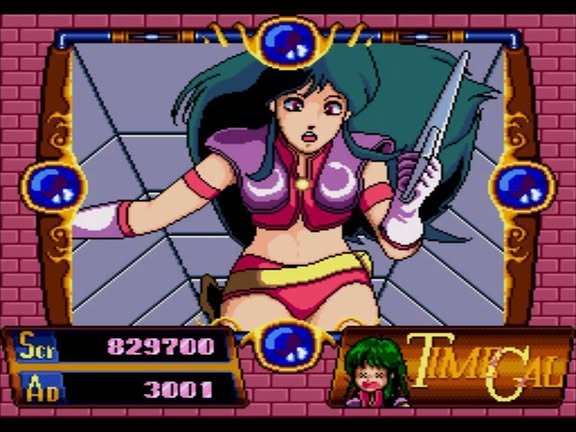
Time Gal stands out as a laser‑disc marvel that married Toei Animation’s painstakingly detailed cel work with Taito’s arcade hardware. The animation required roughly six times the usual number of cels per minute, giving the game a fluid, almost cinematic feel that was rare in 1985.
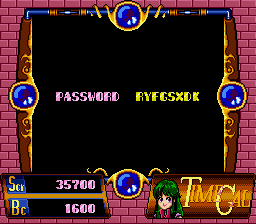
When Renovation Products brought the title to the Sega CD, Wolf Team trimmed the color palette but added a password‑protected video gallery and fresh opening/ending themes by Shinji Tamura and Motoi Sakuraba. Yuriko Yamamoto even returned to sing the Japanese opening, while the Western release received an English dub and a few censored death scenes.
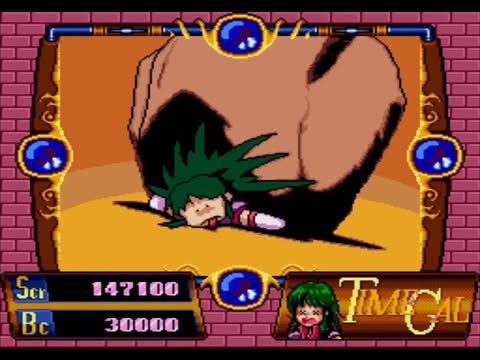
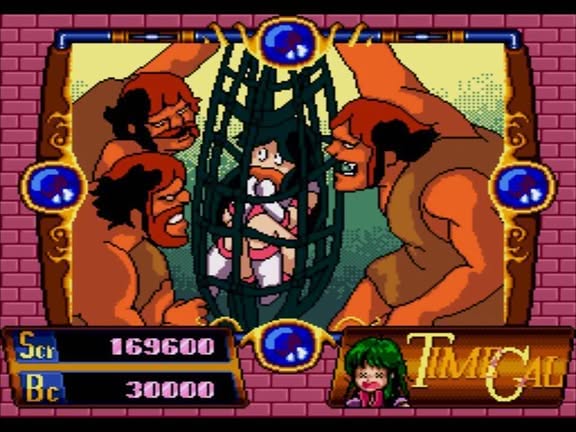
Gameplay is pure reflex: a joystick (or D‑pad) and a single button let you dodge, jump, or fire a laser at highlighted cues. On higher difficulties the visual hints disappear, and occasional “time‑stop” moments force a quick three‑choice decision within seven seconds.
Critics praised the CD version’s vivid backgrounds, smooth animation, and soundtrack, earning an 80 % aggregate on GameRankings and high marks from EGM, Sega Pro, and GamePro. Reviewers noted the lack of deep strategy but celebrated it as a showcase of the Sega CD’s capabilities.
Beyond its scores, Time Gal is remembered as one of the first games to feature a female protagonist and as a pioneering interactive‑movie experience, later popping up in titles like Castle of Shikigami III and Elevator Action Deluxe.
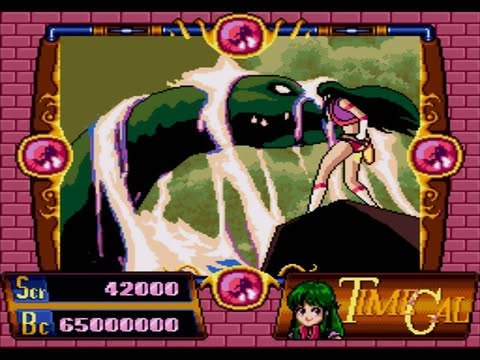
Time Gal is set in a fictional future where time travel has become a reality. In 3001 AD a criminal named Luda steals a time‑travel device with the intention of reshaping history and taking over the world. The heroine, Reika – also known as the Time Gal – uses her own device to chase him across the ages. She visits eras such as 70,000,000 BC, 44 BC, 1588 AD and 2010 AD, each presented as a distinct scenario filled with hazards to dodge or confront. By navigating these sequences she ultimately tracks down Luda and stops his plan to alter the past.
Edited by Maya Carter




1991 Shooter
1992 Shooter
1993 Role-Playing