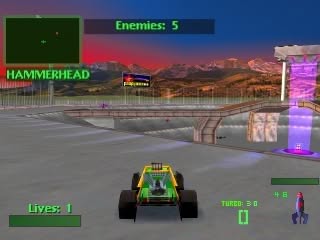
Play Mortal Kombat: Special Forces Online
Game Info
2.4 / 5
16 votes
- Platform
- PlayStation
- Genres
- Fighting · Beat 'em Up · Adventure
- Developers
- Midway Games
- Publishers
- Midway Games
- Release date
- June 30, 2000
Summary
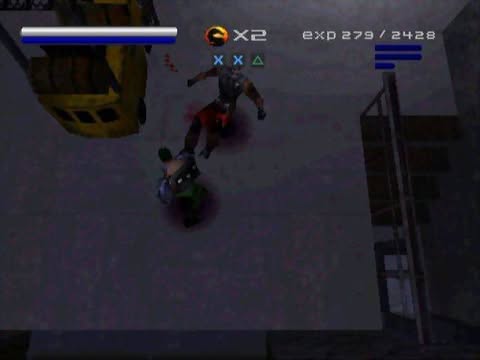
Playing as Jax in Mortal Kombat: Special Forces feels like stepping into a gritty, third‑person adventure that tries to stretch the franchise beyond its fighting roots. The game pushes you through five sprawling 3D stages where you punch, shoot, and set off explosives while hunting for hidden keys and solving simple puzzles; Jax can’t jump, but he can climb and push massive blocks to reach new platforms. Combos build up a limited energy bar that refills as you chain attacks, unlocking flashier finishers as you rack up experience points.
Development was anything but smooth—midway through production series co‑creator John Tobias left Midway, forcing a major content trim that even stripped Sonya Blade from the playable roster. Those cuts left the level design feeling thin and the pacing uneven, a fact that didn’t escape the reviewers.
Critics were merciless: Metacritic landed the title at a dismal 28/100, and it quickly earned a reputation as one of the worst games ever made. Despite the backlash, the game resurfaced in the 2025 Mortal Kombat: Legacy Kollection, giving nostalgic players a chance to revisit the ill‑fated experiment.
Storyline
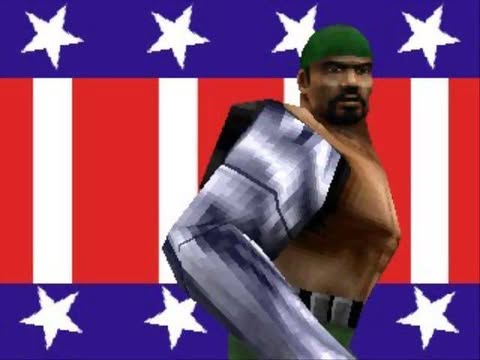
Mortal Kombat: Special Forces, often just called Special Forces, is the chronologically first entry in the Mortal Kombat saga, taking place four weeks before the events of Mortal Kombat Mythologies: Sub‑Zero. The plot centers on US Army Major Jax Briggs, a Special Forces operative who is still hot on the trail of the criminal mastermind Kano.
Kano has broken his Black Dragon gang out of a maximum‑security prison and is hunting an ancient relic known as the Eye of Chitian. Seeking revenge for the slaughter of his fellow Special Forces soldiers, Jax launches a risky rescue mission that also aims to save his partner Sonya Blade, who vanished after the first tournament, and to stop Kano once and for all.
The Eye of Chitian proves its power in the ending, opening a portal that lets Jax teleport himself and a defeated Kano back to Earthrealm.
Edited by Maya Carter
Game Videos
Game Screenshots
You might also like
Grudge Warriors
2000 Fighting