
Play Martian Gothic: Unification Online
Game Info
3.6 / 5
6 votes
- Platform
- PlayStation
- Genres
- Puzzle · Adventure
- Player Perspective
- Third person
- Developers
- Creative Reality
- Publishers
- Take-Two Interactive · TalonSoft · Buka Entertainment
- Release date
- May 4, 2000
Summary
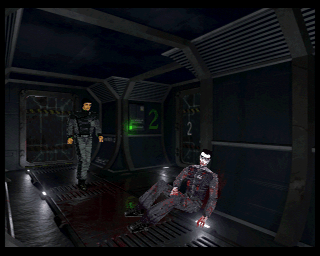
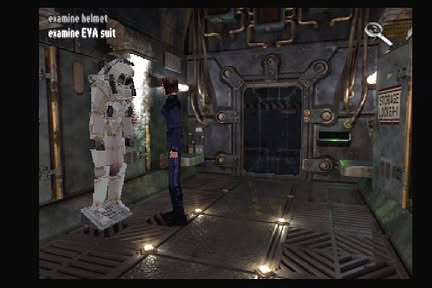
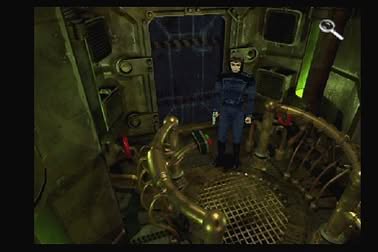
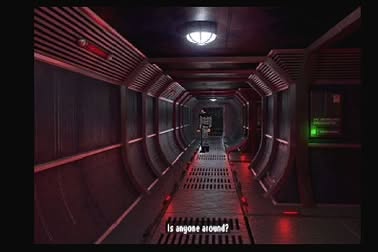
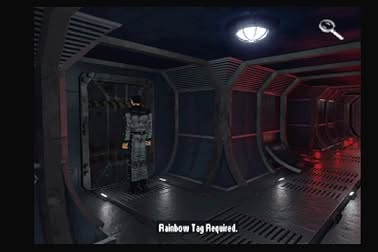
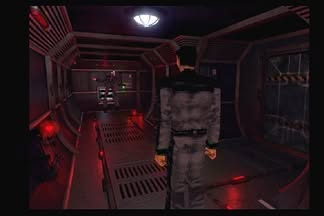
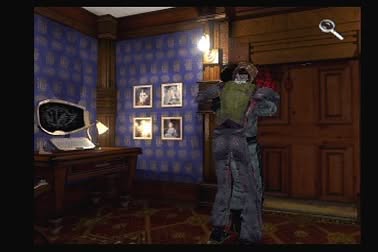
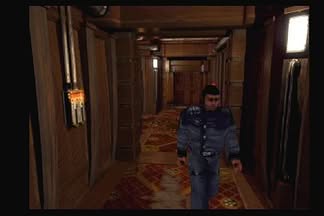
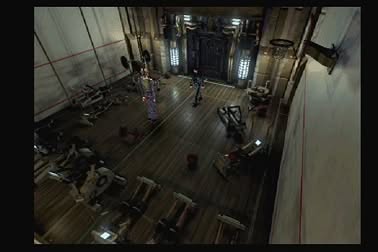
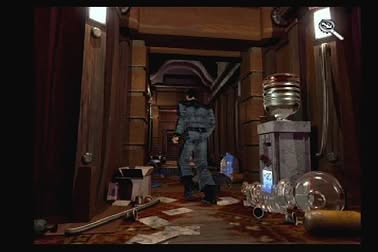
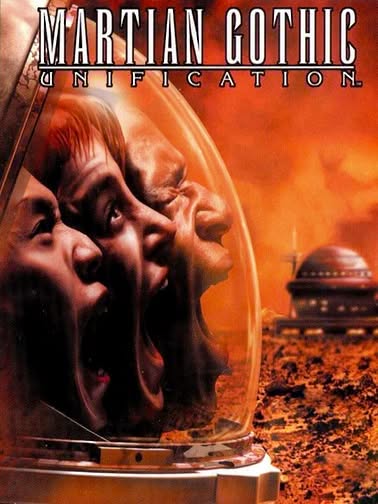
Martian Gothic: Unification feels like a love‑letter to late‑90s survival horror, but with a sci‑fi twist that makes it stand out from the Resident Evil clones of its era. The game arrived as a budget title just as the PlayStation was winding down, and its low‑budget texture downgrade is obvious, yet it grants far more frequent save slots than its PC counterpart. What really sticks with me is the puzzle‑driven design – a legacy of Creative Reality’s final crew, the same team behind Dreamweb – and the odd mechanic where three characters can be swapped on the fly, but a face‑to‑face meeting instantly ends the run. The radio chatter, the timer‑driven climax, and the key‑item hunting all scream classic horror, even if the voice‑acting and cover art are, frankly, unsettling. Critics were split, and even the writer Stephen Marley later admitted the finished product fell short of his vision, but the heavy emphasis on narrative and brain‑teasing challenges makes it a curious relic worth revisiting.
Storyline
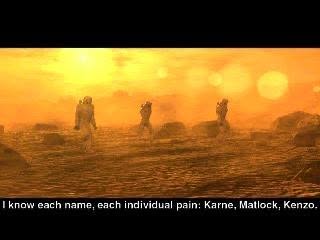
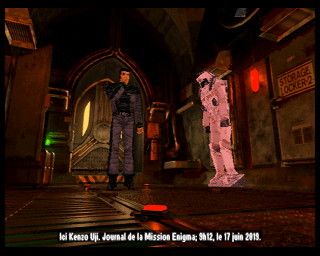
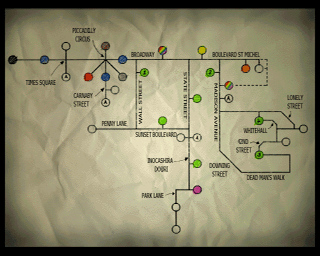
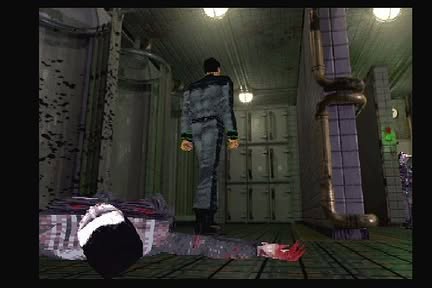
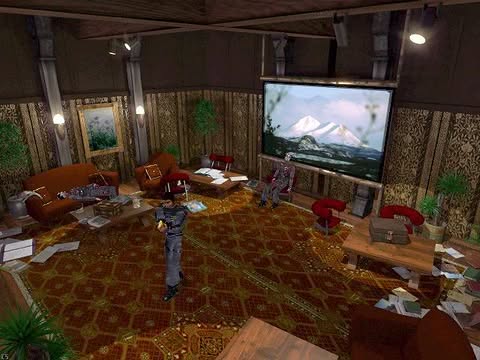
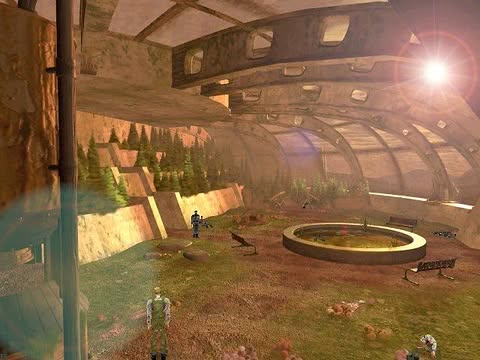
Martian Gothic: Unification drops you into the year 2019, where the megacorporation Earth Control has built the Vita‑01 research station on the slopes of Olympus Mons, the first human settlement on Mars. The base, named after famous street names, went silent ten months earlier after a meteorite‑borne Martian bacteria was discovered in Antarctica. Your three‑member team – American security officer Martin Karne, British bacteriologist Diane Matlock, and Japanese systems analyst Kenzo Uji – crash‑lands on the planet and must enter the derelict facility alone, obeying the final warning to “stay alone, stay alive.”
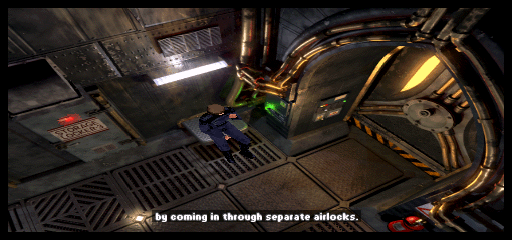
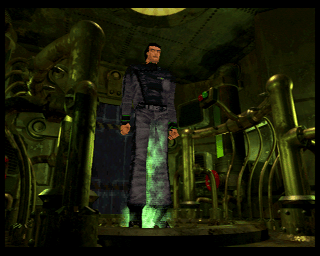
Inside, the crew discovers the staff turned into blood‑thirsty “Non‑Dead” and, when three of them merge, become monstrous Trimorphs. They rely on the base’s “vac‑tube” system to stay separated while repairing oxygen recyclers and solar generators, and they encounter floating corpses, ghosts, and shared‑dream phenomena. The sentient AI MOOD assists them by sending passcodes to their smart watches and eventually reveals that the decontamination process infected them with the same contagion that reanimated the dead. Through MOOD’s simulated reality, Kenzo learns that the base had unearthed a long‑dead alien civilization, the Kurakarak, and opened a “Pandora’s Box” that housed a hibernating alien queen whose psionic powers caused the outbreak.
The trio uncovers that base director Judith Harroway, Karne’s estranged partner, kept a diary exposing Earth Control’s plan to weaponize the alien psionics. With help from the deranged survivor John Farr—who is later reanimated as a floating head—they obtain samples from the queen and a Trimorph, allowing Matlock to synthesize a cure. Karne plants explosives in an Olympus Mons fissure, and after the cure restores the team, they race to the departure craft. MOOD reports a damaged launch hatch; Karne volunteers to open it, sacrificing himself as the hatch seals. The explosives detonate, destroying Vita‑01, the alien necropolis, and the queen, preventing Earth Control from exploiting the psionic threat as Matlock and Kenzo escape back to Earth.
Edited by Maya Carter