



Play LSD: Dream Emulator Online
Game Info
3.4 / 5
27 votes
- Platform
- PlayStation
- Genres
- Simulation · Adventure
- Player Perspective
- First person · Text
- Developers
- OutSide Directors Company
- Publishers
- Asmik Ace Entertainment
- Release date
- October 22, 1998
Summary
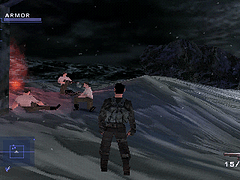
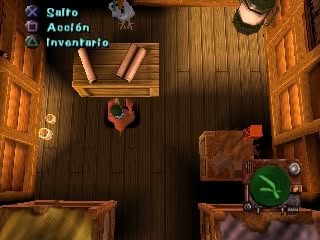
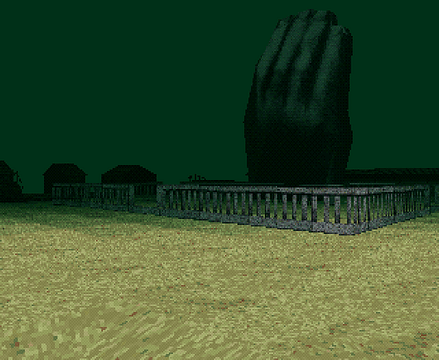
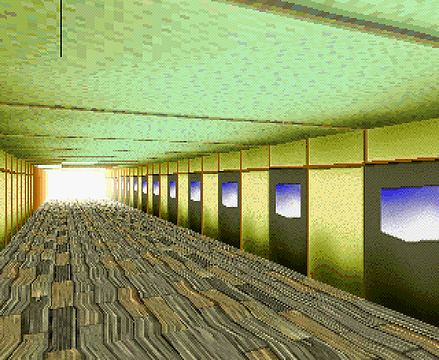
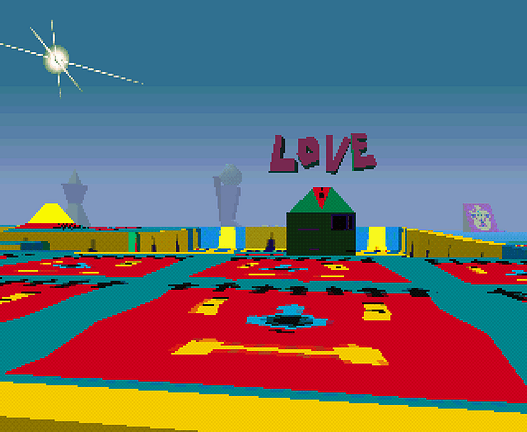
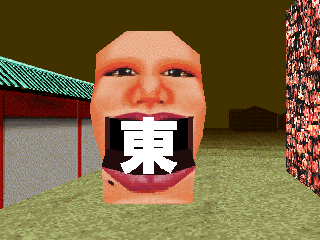
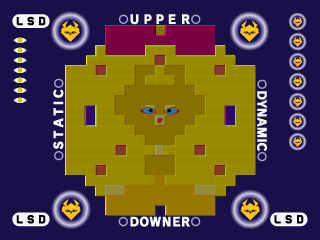
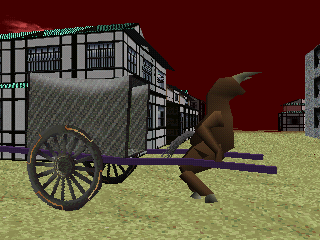
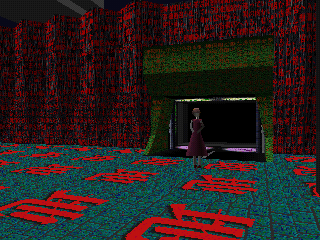
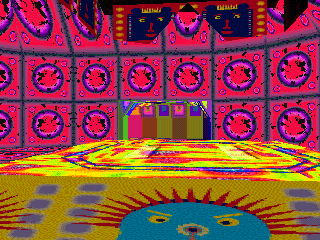
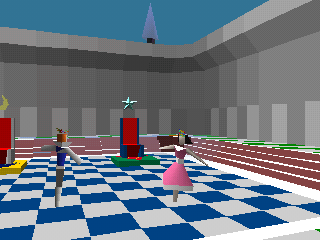
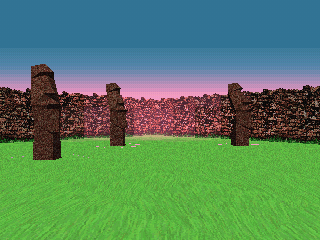
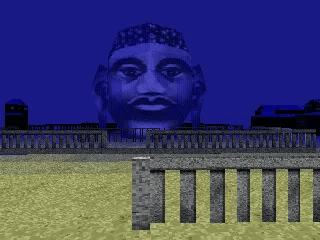
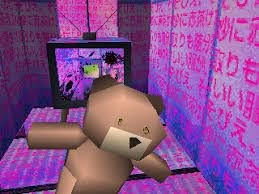
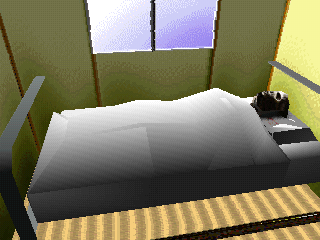
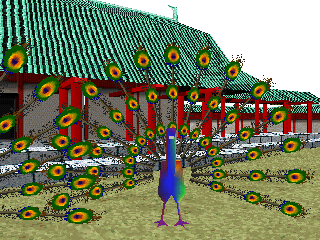
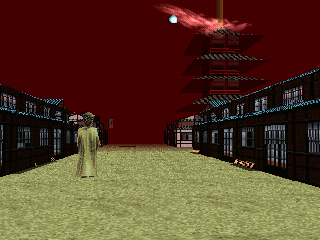
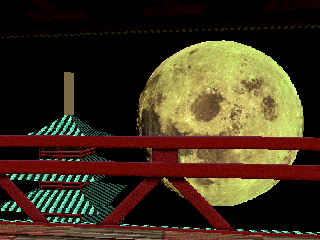
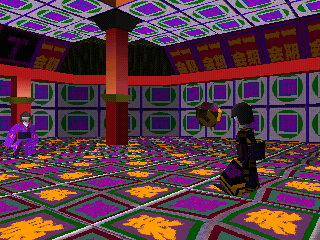
LSD: Dream Emulator feels like wandering through a living, shifting diary of someone’s subconscious. You step into a random scene—a quiet Japanese village, a stark factory, a field of floating objects—and the moment you brush a wall or a stray animal you’re instantly "linked" to a completely new setting, as if a dream has slipped into another. Each wander lasts up to ten minutes before the screen fades and you wake up, and the game records the experience on a simple graph that tags the dream as Upper, Downer, Static or Dynamic, subtly influencing what comes next. The whole concept stems from Osamu Sato, a multimedia artist who treated the PlayStation not as a console but as a canvas. He based the surreal environments on a decade‑long dream diary kept by Asmik Ace designer Hiroko Nishikawa, and he deliberately omitted any objectives, arguing that life itself isn’t a series of clear‑cut goals. The title’s nod to the psychedelic drug was meant to attract the counter‑culture crowd, while the acronym was left open to multiple, deliberately vague interpretations. Originally released only in Japan in 1998, the game slipped into obscurity until internet forums, humor blogs and YouTube Let’s Players started sharing its oddball moments. A limited edition bundled a CD of acid‑techno tracks and a book of translated diary excerpts, and the soundtrack later received remixes from artists like Ken Ishii and μ‑Ziq. The cult following grew so strong that Sony re‑issued the title on the Japanese PlayStation Store in 2010, and fans even produced an unofficial Unity remake. Critics now cite LSD as a benchmark for experimental gaming, praising its uncanny ability to make you feel the fluid, unpredictable logic of an actual dream. Even though the graphics are dated, the ever‑changing textures and the ever‑present sense of unease keep it feeling fresh, proving that a game can be an artwork as much as a pastime.
Storyline
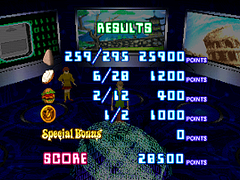
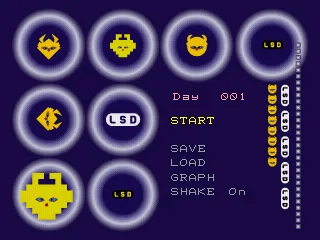
LSD: Dream Emulator is an exploration game billed as a "playable dream" where you wander surreal environments with no set objectives. Each session begins in a random area and any object or specific tunnel can whisk you to a new setting, while the whole dream lasts up to ten minutes before the character wakes and an in‑game day passes. The system logs every dream on a graph that labels it Upper, Downer, Static or Dynamic, and after a few days a flashback feature lets you replay a shortened version of the most recent dream. Occasionally the game swaps a playable segment for a brief video or poem, adding to the odd atmosphere. A shadowy humanoid known as the Gray or Shadow Man sometimes appears; touching it blocks the flashback option and erases any progress made in that dream. The whole concept stems from a decade‑long dream diary, giving the bizarre locales a basis in real recorded imagery.
Edited by Maya Carter
Game Videos
Game Screenshots
Game Artworks
Multiplayer
- Game modes
- Single
Alternative Titles
- LSD:DE Short
- LSD Alternative
- Dream Emulator Alternative