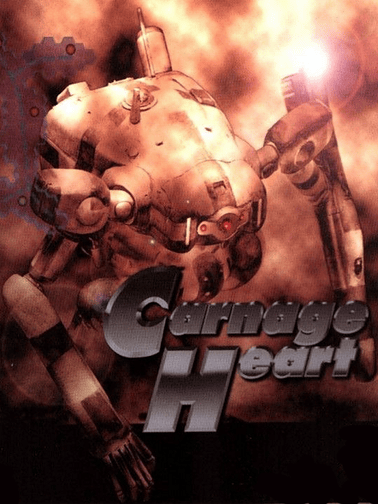
Play Carnage Heart Online
Game Info
4.4 / 5
- Platform
- PlayStation
- Genres
- Strategy
- Developers
- Artdink
- Publishers
- Artdink · Sony Computer Entertainment · Success
- Release date
- March 3, 1997
Summary
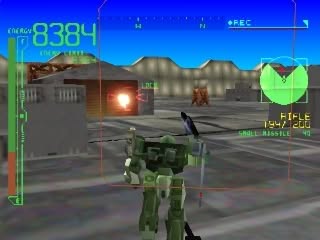
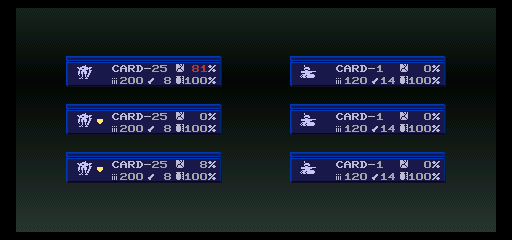
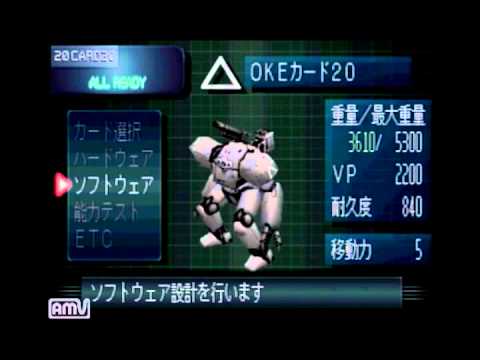
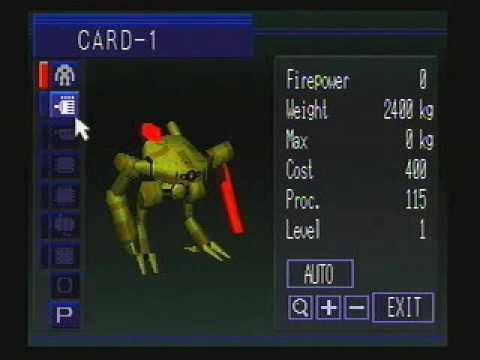
By 2073 the battlefield has moved to Jupiter’s moons, where wars are fought by squads of Overkill Engines – the OKE mechs you design, program, and deploy. In Carnage Heart the fun isn’t pulling a trigger; it’s the whole production chain, from negotiating with shady suppliers for parts to assembling a hardware profile that fits a chosen body type – two‑legged, tank, multi‑legged or flying – and then layering on weapons, engines, CPUs, fuel tanks, armor and even a paint scheme. Each component adds complexity, meaning you’ll need bigger factories and longer build times, but the payoff is a custom‑tailored robot that can be upgraded indefinitely.
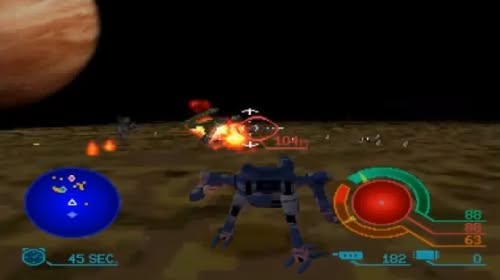
Once the hardware is set, you move to the software side, which feels like building a flow‑chart on a grid of chips. The size of the grid depends on the CPU you chose, and the chips dictate everything from movement and firing to random chance and inter‑OKE communication. You never directly control a mech in combat; the battle unfolds exactly as your program dictates, turning each encounter into a test of logic as much as firepower.
The game ships with a massive 58‑page strategy guide and a tutorial disc that walks you through the maze of options, acknowledging that the learning curve is steep. Reviewers praised the depth, calling it one of the most ambitious and sophisticated console strategy titles, even if the graphics were deemed serviceable and the lack of direct control could frustrate casual players. For anyone who loves a cerebral challenge, Carnage Heart rewards the time you invest in turning raw parts into lethal, self‑directed war machines.
Storyline
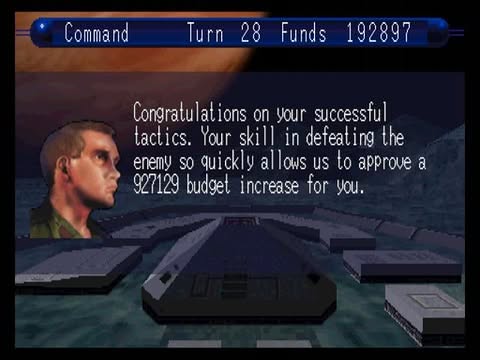
In Carnage Heart, you assume the role of a commander overseeing a brutal war waged by giant mecha known as Overkill Engines (OKEs). These machines aren’t piloted in real time; instead, every move must be pre‑programmed through careful tactical planning, coding, and resource management. The game’s narrative unfolds as you allocate parts, set battle scripts, and watch your OKEs execute the strategies you designed. Success hinges on how well you can anticipate enemy actions and optimize your own forces.
Edited by Maya Carter