
Play Brigandine: Grand Edition Online
Game Info
4.5 / 5
5 votes
- Platform
- PlayStation
- Genres
- Role-Playing · Strategy
- Player Perspective
- Top-down
- Developers
- Hearty Robin
- Publishers
- Atlus · E3 Staff · Happinet Corporation
- Release date
- May 5, 2000
Summary
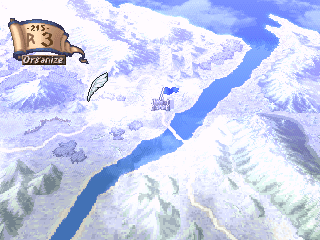
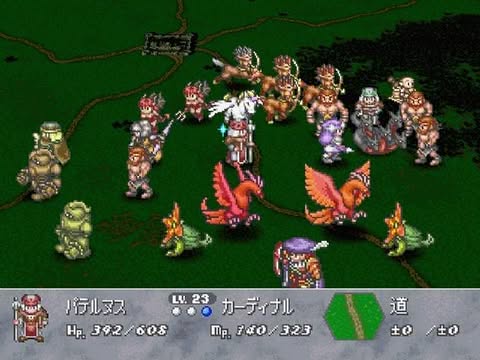
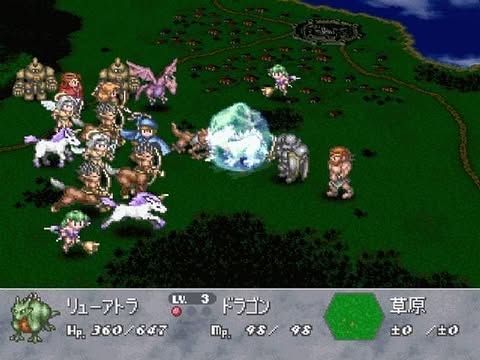
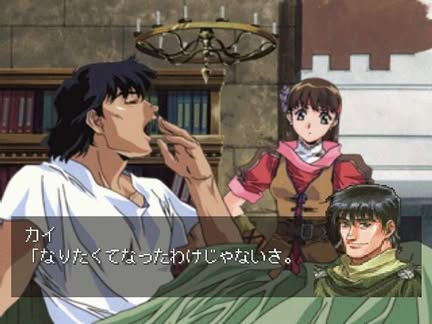
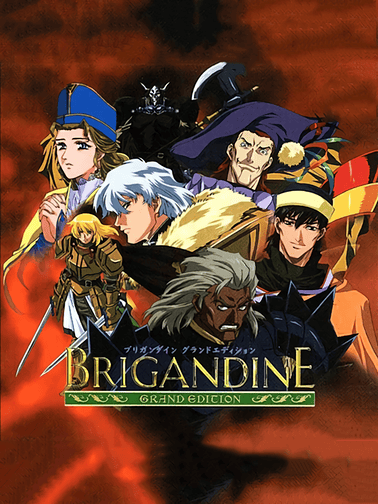
Brigandine: Grand Edition revamps the original turn‑based strategy experience with a host of fresh features that feel surprisingly modern. The biggest surprise is the multiplayer mode – up to six friends can each command a nation, turning the map into a free‑for‑all that still respects the series’ classic kingdom‑building vibe. The once‑locked Esgares Empire finally steps into the spotlight, complete with its own story cut‑scenes, while the battle system adopts a rock‑paper‑scissors element triangle: red beats green, green beats blue, blue beats red, and the old white‑vs‑black opposition remains. After roughly a dozen turns, if an attacker plants a unit on the enemy’s castle, the war ends in their favor, streamlining the victory condition. Monsters now wear gear, new rune knights and classes expand tactical options, and the soundtrack gets a full overhaul. Visually, the original 3D intro and battle rigs are swapped for a snappy anime opening and lean 2D combat animations, all voiced by notable Japanese seiyū like Sōichirō Hoshi, Mitsuaki Madono and Yuri Shiratori.
Storyline
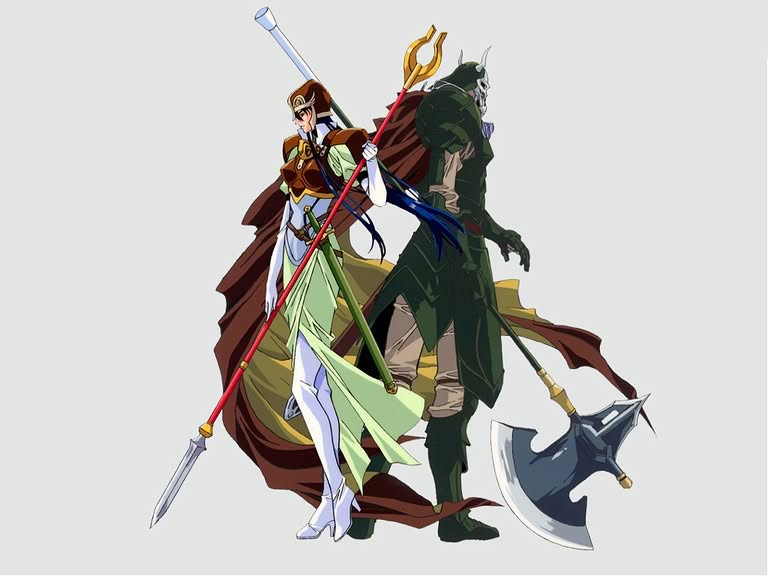
The opening of Brigandine: Grand Edition shows Zemeckis, commander of Almekia's army, receiving a visit from the Rune Knight Cador, known as the Death Knight. Zemeckis believes he is being falsely accused of treason and decides to rebel against King Henguist.
His rebellion is quickly joined by other Rune Knights, and together they overthrow Almekia, renaming the nation the Esgares Empire. King Henguist is slain by Cador, while his son Prince Lance escapes to the neighboring Kingdom of Padstow with the loyal Rune Knights.
These events ignite the larger war that engulfs the continent of Forsena. In the Grand Edition, the newly formed Esgares Empire is a fully playable nation and receives its own plot cut‑scenes, expanding the original story.
Edited by Maya Carter
Game Videos
Game Screenshots
Game Artworks
External Links
You might also like
Zero Divide 2
1997 Fighting
Punky Skunk
1996 Platformer