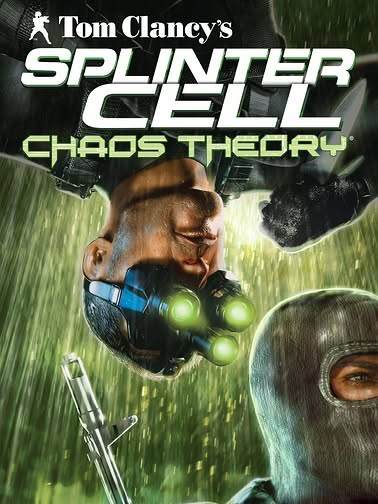
Play Tom Clancy's Splinter Cell: Chaos Theory Online
Game Info
2.8 / 5
- Platform
- Nintendo DS
- Genres
- Shooter · Tactical Strategy
- Player Perspective
- First person · Third person
- Developers
- Ubisoft Montreal
- Publishers
- Ubisoft Entertainment
- Release date
- June 28, 2005
- Languages
- 🇩🇪 German · 🇬🇧 🇺🇸 English · 🇪🇸 🇲🇽 Spanish · 🇫🇷 French · 🇮🇹 Italian
Summary
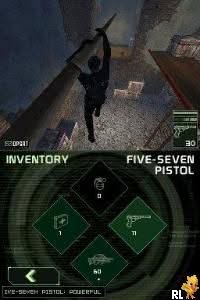
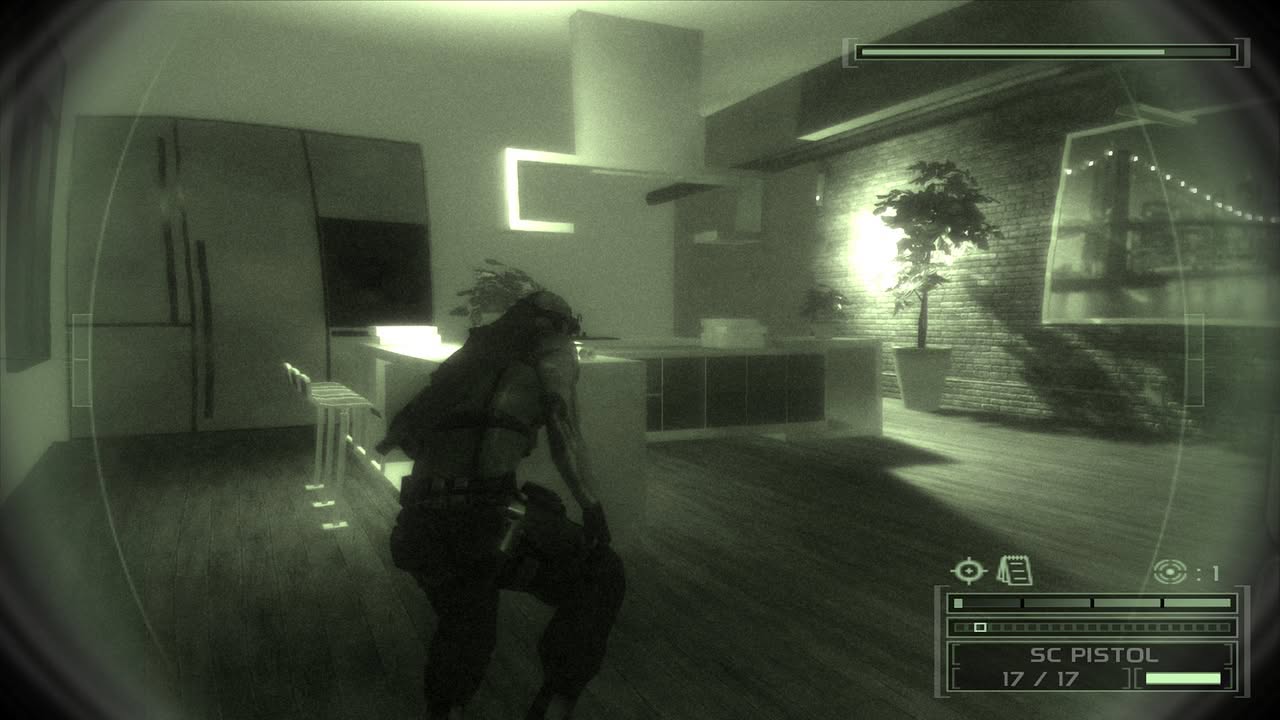
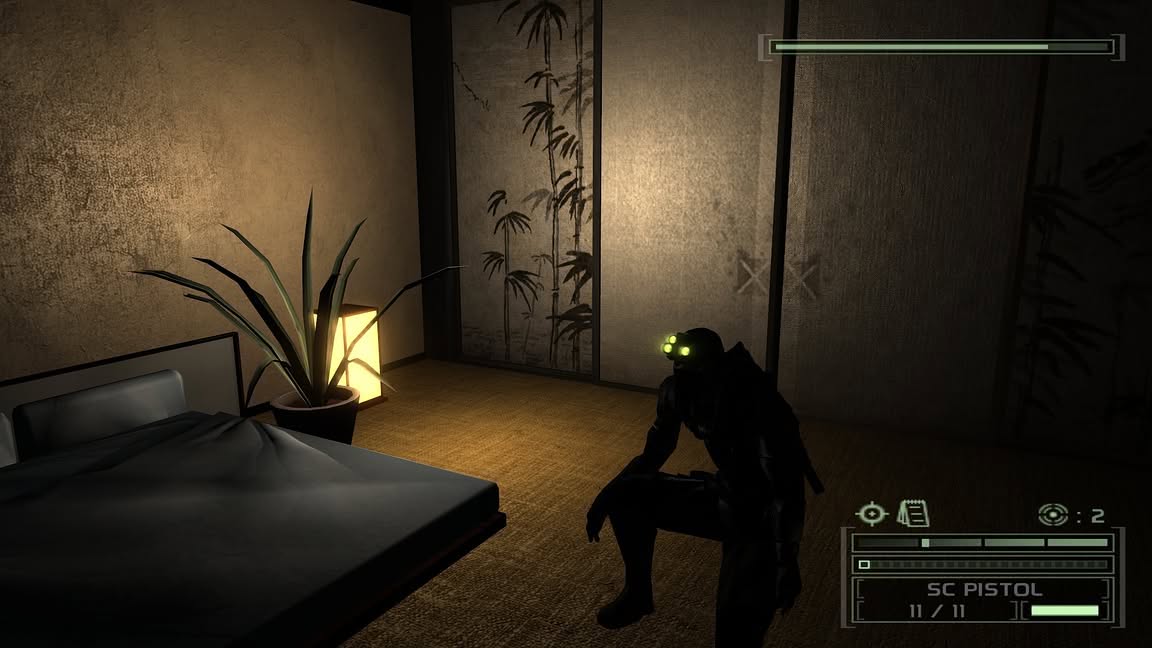
Tom Clancy's Splinter Cell: Chaos Theory on the Nintendo DS tries to squeeze the series’ signature stealth into a handheld that was clearly being stretched. The game keeps the light‑bar and aural monitor, adds ragdoll physics, and even lets Sam Fisher wield a combat knife for lethal or non‑lethal takedowns, while three equipment kits let you balance ammo and gadgets.
Multiplayer is surprisingly ambitious: a two‑player co‑op mode drops you into a seven‑mission side story that mirrors the solo campaign, and competitive modes like disk hunt and deathmatch pit gadget‑armed spies against gun‑toting mercenaries. Voice work from Michael Ironside and returning cast members adds a familiar touch.
Unfortunately, the DS hardware struggles to keep up. Reviewers repeatedly flagged choppy frame rates and sluggish controls, noting that the system was being pushed beyond its limits. The mixed Metacritic score of 50 reflects a game that feels ambitious in design but hampered by technical constraints.
Storyline
The year is 2008 and a wave of information‑warfare attacks—citywide blackouts, stock‑exchange sabotage and the hijacking of national defence systems—forces Third Echelon to send Sam Fisher deep into hostile territory. Fisher’s first mission in Tom Clancy’s Splinter Cell: Chaos Theory (DS) takes him to a lighthouse on Peru’s Talara coast, where he discovers that programmer Bruce Morgenholt has been captured by a separatist group led by Hugo Lacerda. After Morgenholt’s death and the release of the weaponised "Masse Kernels" algorithms, Fisher assassinates Lacerda and learns that the kernels have been used to blackout Japan and the U.S. East Coast.
A lead in Panama sends Fisher to New York, where he uncovers a link between the private military firm Displace International and the Bosnian arms dealer Milan Nedich. The trail leads to Hokkaido, where Fisher confronts his old friend Douglas Shetland, learns that Shetland has murdered Zherkezhi, and later kills Shetland after a rooftop standoff in Tokyo. The sinking of the USS Clarence E. Walsh by a North Korean missile triggers a full‑scale Korean conflict, which Displace had engineered to draw the United States into war.
In the final act Fisher infiltrates the I‑SDF headquarters in Tokyo, stops Admiral Toshiro Otomo’s plan to use the Kernels to launch a North Korean nuclear strike on Japan, and captures Otomo before he can commit seppuku. The crisis is averted, Otomo is tried at the United Nations, and regional stability is restored.
Edited by Maya Carter
Game Videos
Game Screenshots
Multiplayer
- Game modes
- Cooperative
Alternative Titles
- Chaos Theory Short
- Splinter Cell: Chaos Theory Alternative
External Links
You might also like

Cinnamoroll: Ohanashi Shiyo!: Kirakira de Kore Cafe
2006 Simulation
Ben 10 Ultimate Alien: Cosmic Destruction
2010 Beat 'em Up