





Play Osu! Tatakae! Ouendan Online
Game Info

4.5 / 5
19 votes
- Platform
- Nintendo DS
- Genres
- Music & Rhythm
- Player Perspective
- Text
- Developers
- iNiS
- Publishers
- Nintendo
- Release date
- July 28, 2005
Summary
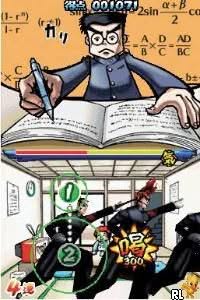
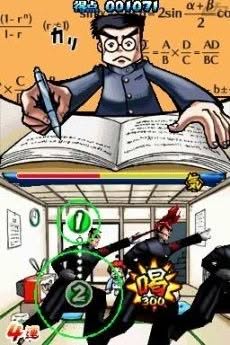
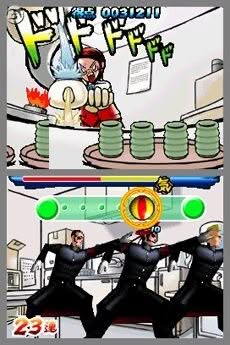
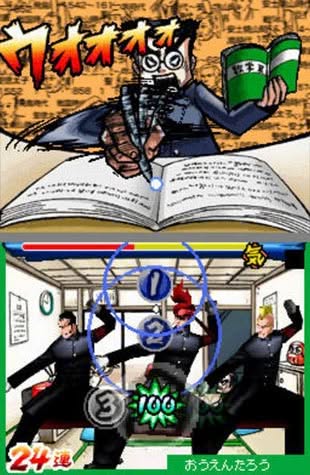
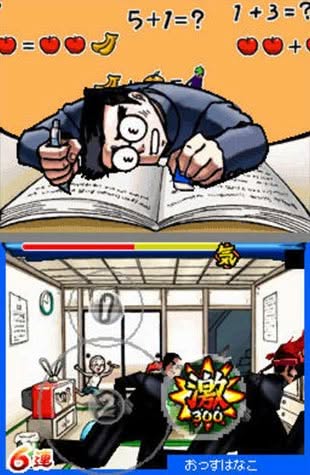
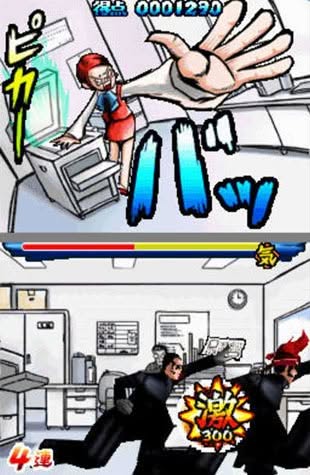
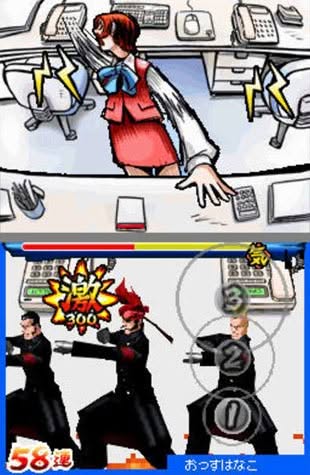
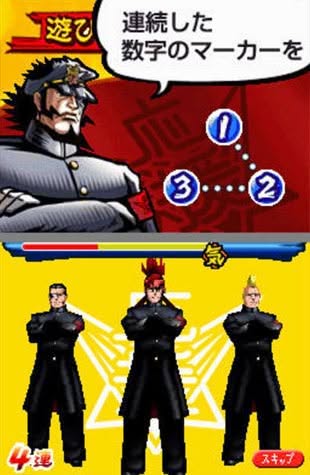
Osu! Tatakae! Ouendan (often just called Ouendan) is a Nintendo DS rhythm title that lets you cheer on a quirky manga‑styled squad as they rally troubled strangers. The action lives on the touch screen: hit circles, slide along tracks, or spin a marker in time with J‑pop covers, while the top screen plays comic‑book panels that react to your performance. Each successful tap refills a "kiai" meter, and a long, unbroken combo ignites flames behind the cheerleaders, visually rewarding the player’s determination.
Four difficulty tiers unlock progressively faster markers and tighter timing windows, with the hardest mode swapping the male squad for three energetic cheergirls. The game’s 15 missions are grouped into acts, letting you choose the order of songs within an act before moving forward. Scores are graded from D up to S, the latter demanding near‑perfect timing on almost every beat.
Although Ouendan never left Japan, its distinctive style sparked a cult import scene and directly inspired the Western‑friendly spiritual sequel Elite Beat Agents, as well as a sequel, Moero! Nekketsu Rhythm Damashii Osu! Tatakae! Ouendan 2. The soundtrack pulls from late‑90s and early‑00s J‑pop hits, all rendered as covers, giving the game a nostalgic yet fresh vibe that still feels lively for anyone who loves rhythm challenges.
Storyline
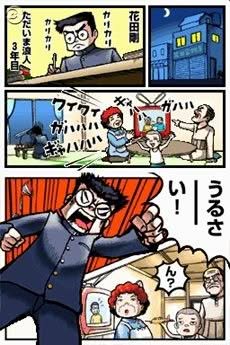
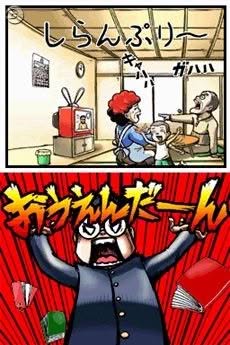
Osu! Tatakae! Ouendan (often just called Ouendan) follows an all‑male cheer squad—or its all‑female counterpart, the Cheergirls—who appear whenever someone cries out for help. Dressed in stylized black school‑uniform‑inspired outfits with red armbands (or blue long‑sleeved uniforms for the girls), they cheer the afflicted characters through music, though the squad’s origin is never explained. Each stage presents a short, light‑hearted scenario drawn from modern Japanese life or manga tropes, such as a high‑schooler distracted from college‑entrance studies or a pottery master who has lost creative spark, all punctuated by whistles and shouty cheers. The only tonal outlier is a love story set to Hitomi Yaida’s “Over the Distance,” which swaps the usual whistles for gentle chimes and omits the loud countdown for a more subdued feel. In the final stage, every previously‑seen character returns as the Ouendan leads a worldwide cheer to stop an asteroid from destroying Earth.
Edited by Maya Carter
Game Videos
Game Screenshots
You might also like


Pac-Man World 3
2005 Platformer

Ganbaru Watashi no Kakei Diary
2007 Simulation