Play Glory of Heracles Online
Game Info
3.2 / 5
3 votes
- Platform
- Nintendo DS
- Genres
- Role-Playing
- Player Perspective
- Top-down
- Developers
- Paon
- Publishers
- Nintendo
- Release date
- May 22, 2008
Summary
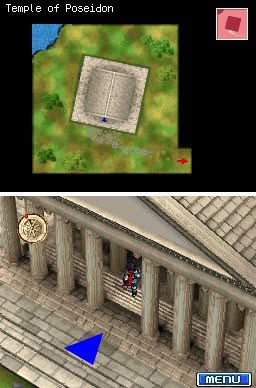
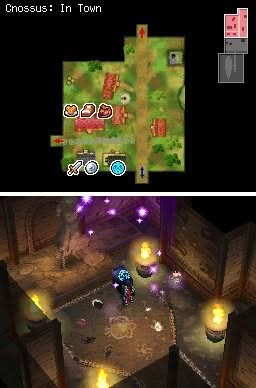
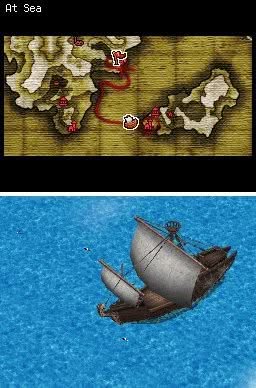
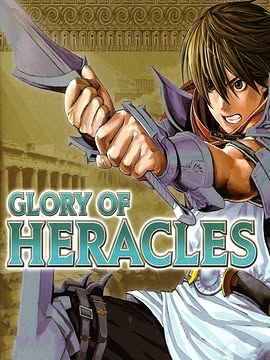
Glory of Heracles drops you into a pick‑up‑and‑play RPG where the amnesiac Greek hero washes ashore and must piece together his past while trekking through iconic locales such as Sparta and Athens. The world leans heavily on mythic motifs, letting you explore ancient ruins and bustling city‑states as you uncover the mysteries of the supporting cast.
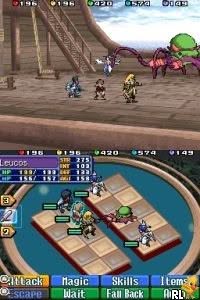
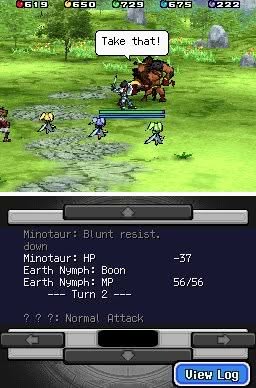
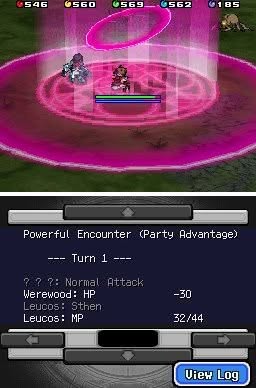
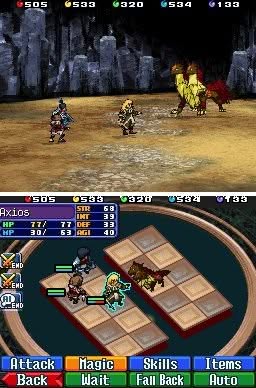
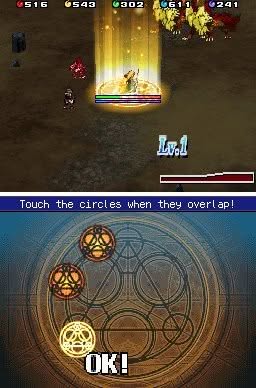
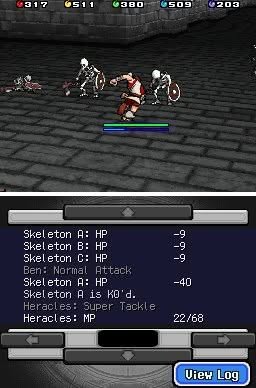
Combat unfolds on a five‑column, two‑row grid, with melee fighters in the front row and ranged or magical users in the back. Turn order follows Agility, but you can reshuffle it with spells, and every attack can be amplified by solving a quick touch‑screen puzzle. Skills and magic are learned at temples and Prometheus statues, while the Ether system—Fire, Wind, Earth, Ice, and Dark—governs spell costs; lacking Ether triggers the risky Ether Reflux that drains HP.
Nintendo green‑lit the project after a brainstorming session, handing the IP to Paon and contracting Studio Saizensen, with veteran scenario writer Kazushige Nojima on board. The U.S. version sped up combat after Japanese critics called it sluggish. Though it earned middling scores (around 70% on aggregate sites), reviewers praised its earnest effort, solid localization, and the charm of its Greek‑themed adventure, noting it as the sole series entry to reach Western audiences.
Storyline
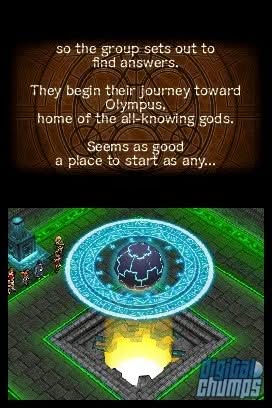
Glory of Heracles is set across ancient Greece and other Mediterranean locales, drawing heavily from Greek mythology. The silent protagonist is an immortal, amnesiac boy who speaks only in battle and seeks to recall his past. He is joined by Leucos, Axios, Heracles and Eris as they travel together to uncover why they are immortal. Their journey weaves through legendary events such as Achilles’ exploits and the Trojan War. A recurring plot device, the Taphus—an invention of Daedalus—has been punished by Zeus for extracting Ether from the world. The Japanese subtitle Tamashii no Shoumei, meaning “proof of the soul,” underpins the game’s central theme of discovering that meaning. Writer Kazushige Nojima previously explored an amnesiac cast in Heracles no Eikou III, linking the two titles thematically.
Edited by Maya Carter
Game Videos
Game Screenshots
Multiplayer
- Game modes
- Single
External Links
You might also like

Enchanted
2007 Adventure