Play Indiana Jones and the Temple of Doom Online
Game Info

4.4 / 5
4 votes
- Platform
- NES
- Genres
- Action · Platformer
- Player Perspective
- Top-down · Side view
- Developers
- Atari Games
- Publishers
- Mindscape, Inc.
- Release date
- December 1, 1988
Summary
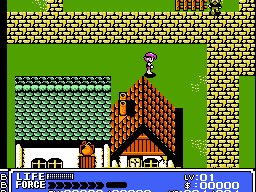
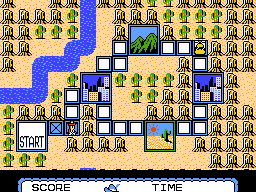
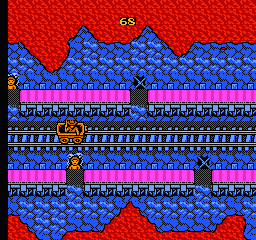
The NES version of Indiana Jones and the Temple of Doom arrived in two distinct packages: a standard grey cartridge from Mindscape in December 1988, and a later black, oddly‑shaped Tengen cartridge after the publishing rights shifted. Though the shells differ, the code inside is identical, a curious footnote for collectors who chase the unlicensed run. Gameplay expands far beyond the arcade’s simple run‑and‑shoot. Players guide Indy through twelve "waves," freeing slave children who drop TNT, guns, swords, extra‑life hats, time‑adding jewels and, of course, his iconic bullwhip. A new upward‑jump mechanic lets you vault over pits, though the jump can act glitchy unless you hold the direction button while pressing jump. Each wave is timed from 99 down to zero; let the clock run out and Mola Ram swoops in, stealing a life and all your gear. Mine‑cart sections fling you across hazardous tracks, while swarms of bats, rats, snakes, spiders and relentless Thuggee guards keep the pressure on. Critics were harsh: reviewers slammed the controls, graphics and the text‑only ending, and noted the difficulty spike. Yet even the most scathing notes praised the game’s faithful nod to John Williams’ score, and the tagline from TheGamesDB still rings true – the bullwhip‑wielding adventure delivers nonstop arcade‑style action, even if it feels watered‑down compared to its arcade ancestor.
Storyline
The NES game Indiana Jones and the Temple of Doom follows the film’s storyline, beginning with Indy arriving at the Pankot Palace to free the enslaved children of Mayapore and recover the missing Sankara Stones. The adventure is divided into twelve "waves" – the first nine guide the player through the palace and its surrounding caverns, requiring the collection of the sacred stones. Wave 9 forces Indy to cross a river of lava, stunning the monsters that dwell there, while Wave 8 hides a secret idol that reveals a hidden exit. After securing the stones, the Map Room in Wave 10 uses collected map pieces (or the idol) to locate the secret door, and both TNT and the stones are needed to progress. Wave 11 leads to the final area, and Wave 12 recreates the iconic rope‑bridge showdown where Indy must defeat the high priest Mola Ram.
Edited by Maya Carter