Play Destiny of an Emperor Online
Game Info
- Platform
- NES
- Genres
- Strategy · Adventure · Role-Playing
- Player Perspective
- Top-down
- Developers
- Capcom
- Publishers
- Capcom
- Release date
- June 15, 1989
Summary
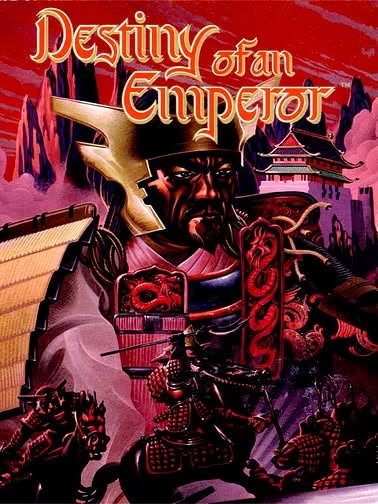
Destiny of an Emperor (known in Japan as Tenchi wo Kurau) stands out on the NES for its massive roster of recruitable generals. Random encounters often feature named officers rather than generic grunts, and after a defeat there’s a chance they’ll join you for a modest bribe of money or horses. You can amass up to 150 characters, though only seven occupy the active party—five fighters, a reserve for fallen allies, and a tactician who grants magic‑like effects. The "All‑Out" option lets the AI blitz through easy battles, a handy shortcut that keeps the pacing from dragging. Despite its quirks—overabundant resources and a flood of under‑used units—the game earned praise for its challenging yet fair combat, and it even inspired a dedicated hacking community that produced tools like Destiny of an Editor to remix maps, stats, and graphics.
Storyline
Destiny of an Emperor (often just called Destiny of an Emperor) is a turn‑based strategy RPG for the NES that loosely adapts the early chapters of *Romance of the Three Kingdoms*. The player controls Liu Bei, Zhang Fei and Guan Yu as they rally peasants to form a militia against the Yellow Turban rebels led by the sorcerer Zhang Jiao, eventually crushing the uprising. After the rebels are defeated, the ailing governor Tao Qian of Xu Province summons Liu Bei to succeed him, and the reluctant hero accepts, setting the stage for the game’s conquest of China under the Shu Han banner. While the core narrative follows these events, the game offers branching paths that let players explore alternate routes, though these choices rarely alter the overall outcome.
Edited by Maya Carter
Game Screenshots
You might also like
Ghostbusters II
1990 Action