Play Baseball Stars Online
Game Info
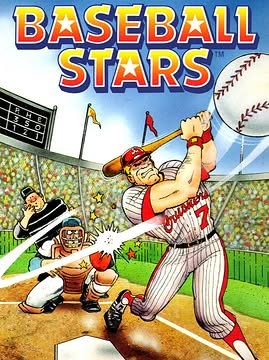
3.1 / 5
5 votes
- Platform
- NES
- Genres
- Baseball
- Player Perspective
- Third person · Top-down
- Developers
- SNK
- Publishers
- SNK
- Release date
- May 19, 1989
Summary
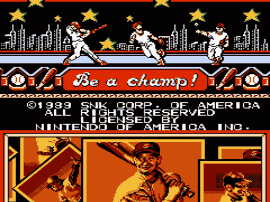
Baseball Stars on the NES still feels fresh because it gave us the power to build our own baseball universe long before any other console sport did. The battery‑backed save let me name players, assemble a roster, and watch their stats grow season after season, turning a simple arcade title into a low‑key role‑playing experience. Money earned from each win could be spent on upgrades or even on pre‑made rookies, veterans and all‑stars, and the hidden option to hire female players added a quirky twist that few games of the era dared to try.
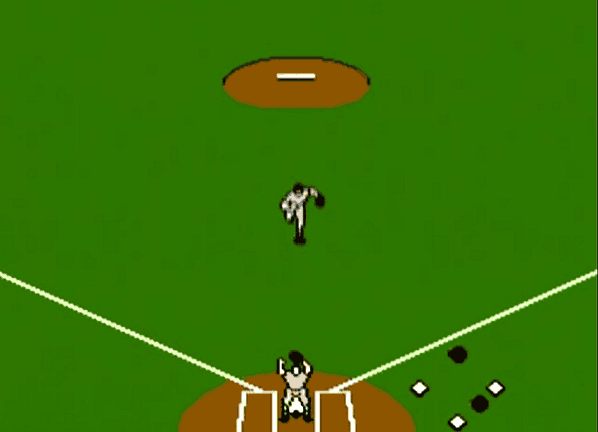
Fielding was surprisingly deep: out‑of‑view fielders drifted toward fly balls, you could jump, dive, and shift infielders to block extra bases, while pitchers offered a handful of pitch types that felt distinct despite the 8‑bit graphics. The league mode let up to six teams battle through a 125‑game schedule, with a 10‑run mercy rule (and an extreme 100‑run rule) keeping marathon matches from dragging on forever.
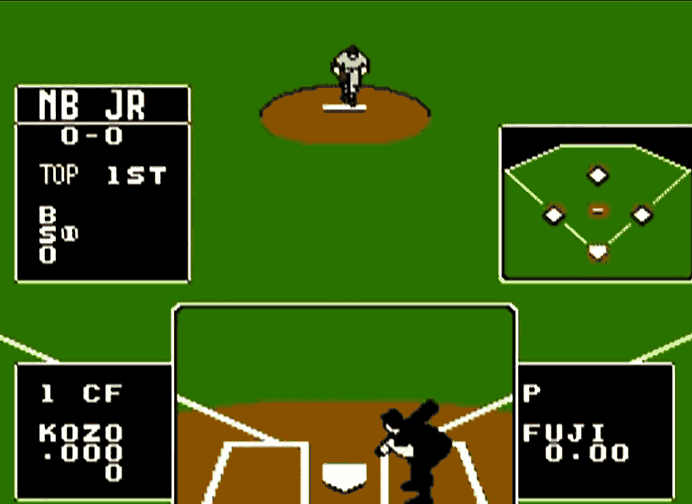
Stat tracking was thorough, showing leaderboards for batting average, home runs, RBIs, ERA, wins and saves, and even updating a player’s personal stats the moment they stepped into the box. The default squads—like the American Dreams with nods to Pete Rose and Babe Ruth, the Ninja BlackSox, and the all‑women Lovely Ladies—provided a fun backdrop, while the six customizable teams let you pick a focus such as defense or power and shape the roster as you saw fit.
Critics still cite Baseball Stars as the benchmark for NES baseball, and its create‑player/team mechanics have become a staple in every modern sports franchise, proving that a handful of pixels can leave a legacy that outlives the cartridge itself.
Storyline
Baseball Stars on the NES broke new ground by adding a battery‑backed save system, letting you build a team and a full season that would retain all statistics between play sessions. The game let you create and name both players and entire clubs, then manage them like a real franchise—earning money, gaining prestige, and upgrading roster talent as you went. You could dive straight into a one‑off versus match or commit to a full season, with the on‑field rules staying true to baseball and delivering realism that far outpaced earlier titles. Its managerial depth was so influential that David Littman, a producer on EA’s NHL series, credits Baseball Stars for inspiring the popular GM mode that later became a staple in those games.
Edited by Maya Carter
Game Videos
Game Screenshots
Multiplayer
- Game modes
- Cooperative
External Links
You might also like
Dragon Power
1988 Action

Abadox
Shoot 'em Up