Xanadu
1985 Platformer
3.8 / 5
17 votes
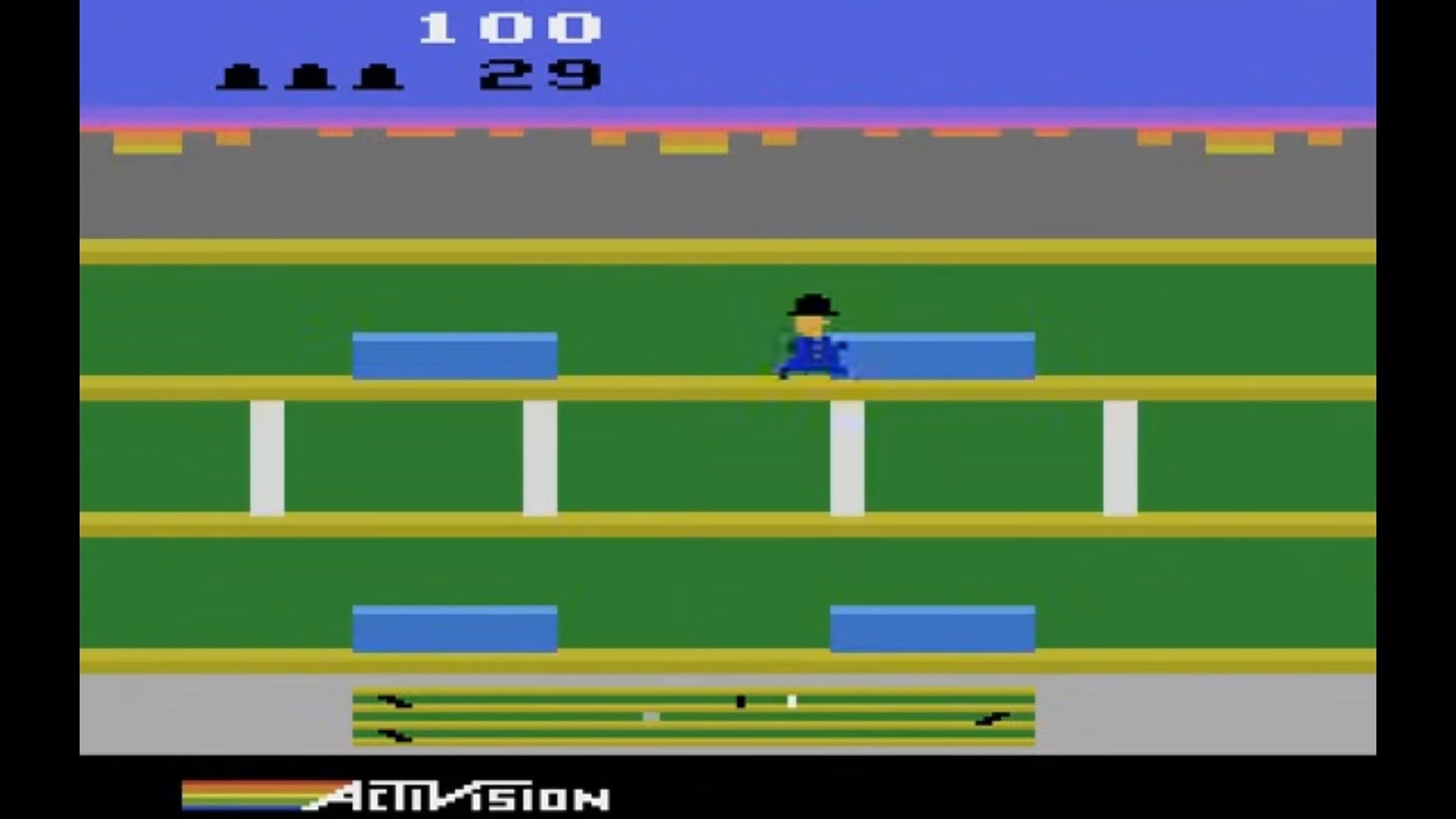
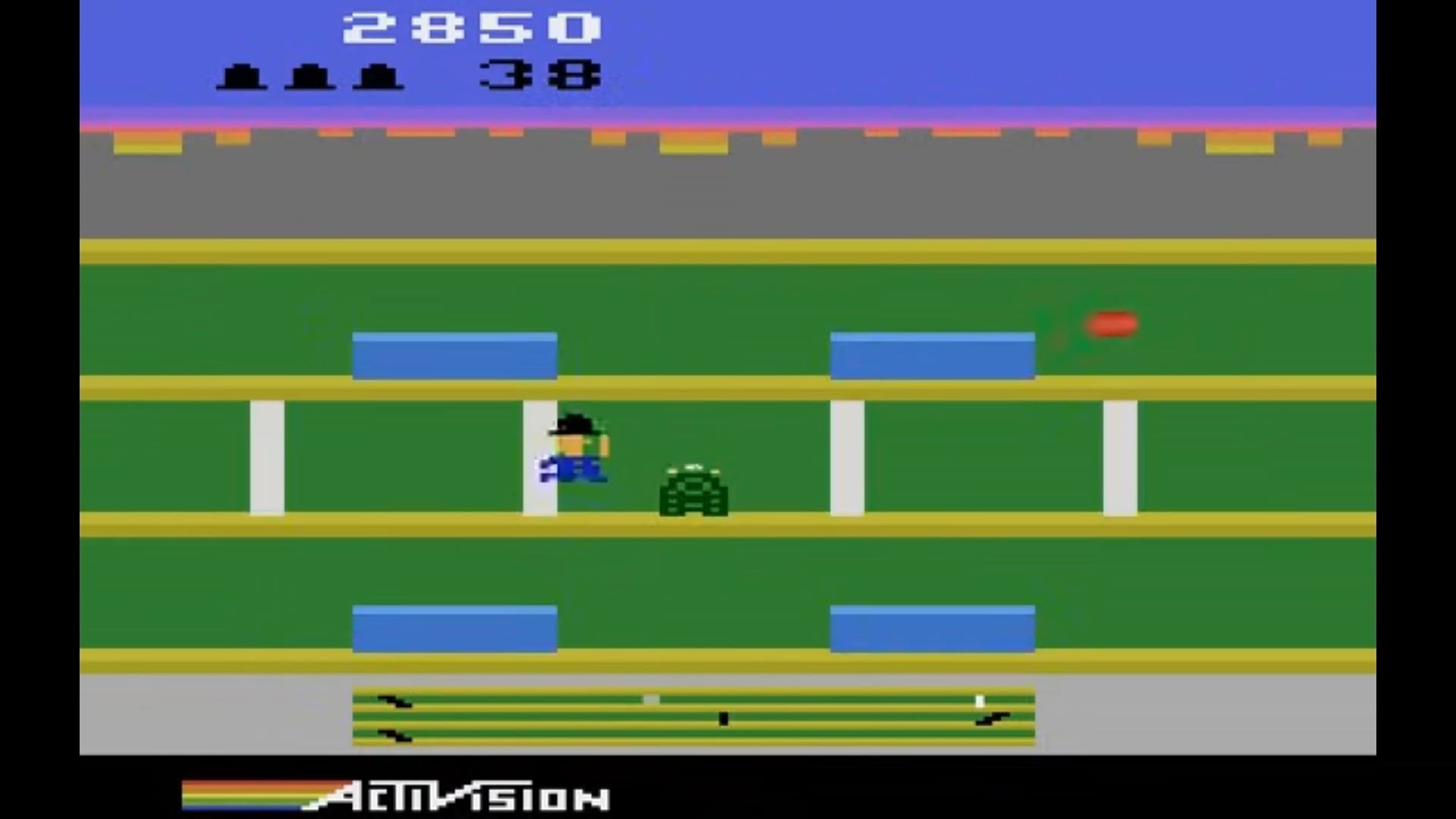
Playing as Keystone Kelly feels like a frantic chase through a bustling department store. I dash left and right across four floors, hop onto elevators or the escalator, and duck under a barrage of shopping carts, beach balls and toy biplanes that seem to fly out of nowhere. A tiny map at the bottom of the screen marks my position with a black dot and the thief’s with a white one, keeping the tension high as the clock ticks down.
Points pile up for catching the crook, grabbing moneybags and suitcases, and for every ten‑thousand I earn an extra life. Running out of time, colliding with a biplane, or letting the thief escape to the roof all cost a life, so every jump counts.
Garry Kitchen squeezed the whole experience into a four‑kilobyte ROM on a PDP‑11, swapping an early vertical‑scroll concept for the side‑scroll layout we see today. Influences from Donkey Kong, Pitfall! and Chopper Command are obvious, yet the graphics and animation still shine.
The game later migrated to ColecoVision and the Atari 5200, added music and level‑select, and resurfaced in several Activision anthologies. It earned a Certificate of Merit at the 5th Arkie Awards and still shows up on retro‑gaming best‑of lists, its legacy even nudging a long‑planned sequel that finally emerged as Casey’s Gold in 2024.
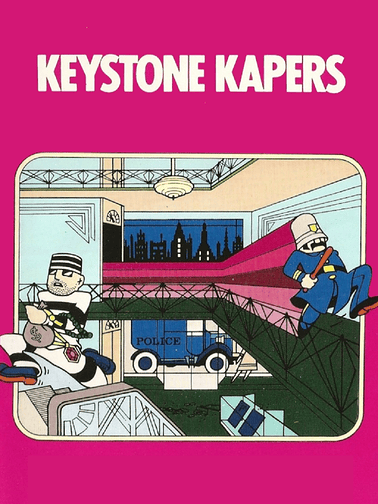
Keystone Kapers follows police officer Keystone Kelly as he pursues the con‑artist thief Harry Hooligan through Southwick's Emporium, a sprawling department store. The chase unfolds across four floors, with Kelly using elevators and an escalator while dodging various obstacles. A mini‑map shows Harry’s position, letting the player keep the thief in sight. The game ends when Harry reaches the roof and escapes, or when the player runs out of lives.
Edited by Maya Carter
1985 Platformer
1985 Shooter

1986 Adventure
1983 Real-Time Strategy