Play Bruce Lee Online
Game Info
4.2 / 5
23 votes
- Platform
- MSX
- Genres
- Fighting · Platformer
- Player Perspective
- Side view
- Developers
- Datasoft, Inc.
- Publishers
- U.S. Gold · Comptiq
- Release date
- September 1, 1984
Summary
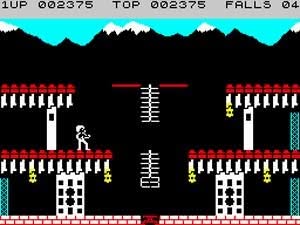
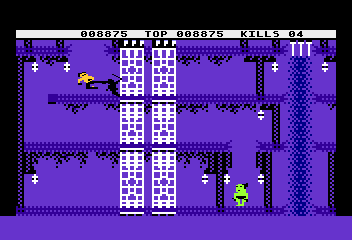
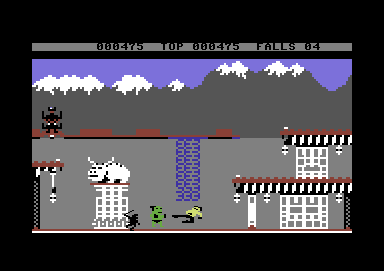
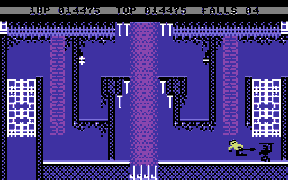
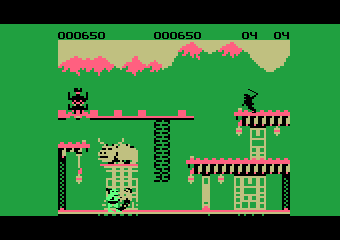
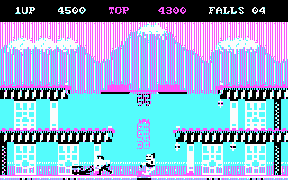
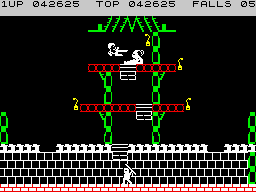
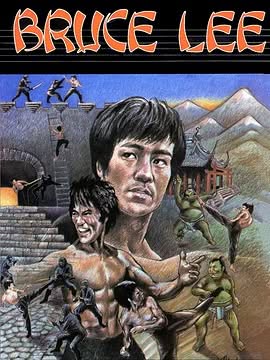
The MSX port of Bruce Lee, released in 1985 by Comptiq, captures the kinetic blend of platforming and beat‑'em‑up that made the original a cult hit. You guide the legendary martial artist through a series of chambers filled with moving walls, mines and a distinctive "comb‑like" electrified surface that zaps across the screen. A second player can jump in as Yamo, or simply alternate turns with Bruce, and if they idle the computer steps in to keep the action flowing. After you clear all 20 rooms the game loops, but the enemies respawn instantly and the risky electric combs disappear, raising the stakes for seasoned players. Critics praised the crisp graphics and addictive combat, and the title even topped UK Atari charts in 1985, cementing its place as an early hybrid of platform and fighting genres.
Storyline
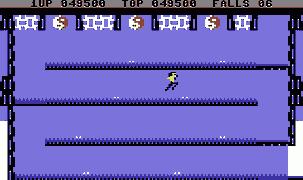
The MSX title *Bruce Lee* (often just called Bruce Lee) puts you in the shoes of the legendary martial artist as he climbs a mysterious wizard’s tower. Each of the twenty chambers is a single‑screen arena filled with platforms, ladders and hanging lanterns that must be collected to unlock the way forward. The layout is simple but demanding: you must gather the required lanterns in each room before you can ascend to the next level. By the time you reach the final, twentieth chamber, the atmosphere shifts dramatically as Lee confronts the evil Fire Wizard, the tower’s malevolent master. Defeating the wizard promises the ultimate reward: boundless riches and the secret of immortality.
Edited by Maya Carter
Game Videos
Game Screenshots
External Links
You might also like
Ninja-kun: Majou no Bouken
1985 Shooter

Monster's Fair
1986 Adventure
Bokosuka Wars
1983 Real-Time Strategy