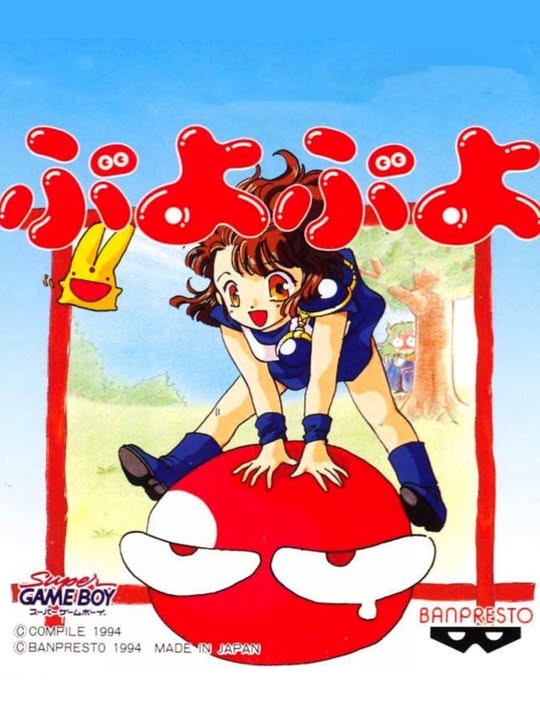
Play Puyo Puyo Online
Game Info
- Platform
- Game Boy
- Genres
- Puzzle · Strategy
- Player Perspective
- Side view
- Developers
- Compile
- Publishers
- Banpresto
- Release date
- July 31, 1994
Summary
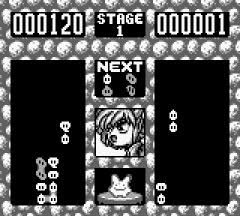
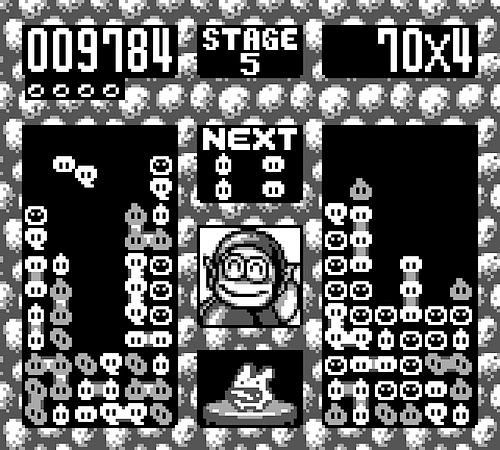
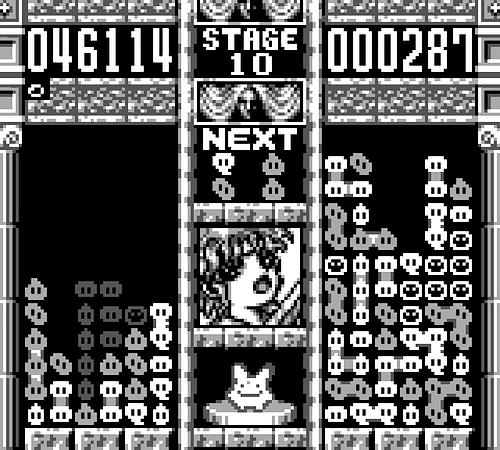
The Game Boy version of Puyo Puyo arrived in the summer of 1994, a collaboration between Winkysoft’s handheld expertise and Banpresto’s publishing muscle. It carries the same bright, chain‑reacting puzzle formula that made the original 1991 title a hit, but squeezed into the portable’s modest screen.
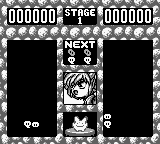
What makes Puyo Puyo stand out is its blend of Tetris‑style falling blocks and Dr. Mario’s color‑matching frenzy, a mix that Masamitsu “Moo” Niitani deliberately crafted. The handheld offers three core ways to play: a single‑player campaign, a head‑to‑head double mode, and an endless score‑chasing mode, plus a Mission set of 52 challenges that force you to clear the board with limited pieces.
In the single‑player run you step into the shoes of Arle Nadja, a spunky 16‑year‑old spellcaster who must out‑match twelve quirky rivals before confronting the Dark Prince himself. The quirky cast and light‑hearted story give the portable puzzler a personality that feels just as charming on the go as it does on a TV screen.
Storyline
In the Game Boy version of Puyo Puyo, the Scenario (or Single) mode puts you in the shoes of Arle Nadja, the 16‑year‑old heroine of the Madou Monogatari series.
Arle has mastered a spell called Owanimo, which transforms four or more identically‑colored creatures into pure energy—a power she hopes to wield against the ultimate threat, Satan.
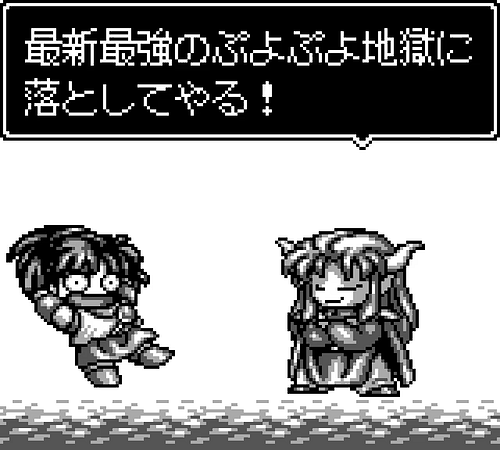
Before she can face Satan, she must first defeat twelve assorted opponents, each presenting their own quirky challenges. Most of these rivals act on their own mischief, but Rulue is an exception, having fallen for the Dark Prince, the other major antagonist who seeks world domination.
After Arle overcomes the Dark Prince, the world is saved, allowing her to return home victorious.
Edited by Maya Carter
Game Videos
Game Screenshots
Alternative Titles
- Magic Bubble Alternative