Play Desert Strike: Return to the Gulf Online
Game Info

- Platform
- Game Boy
- Genres
- Action · Shooter
- Player Perspective
- Top-down
- Developers
- Ocean Software
- Publishers
- Malibu Interactive
- Release date
- February 1, 1995
Summary
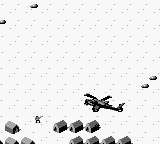
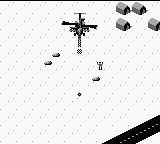
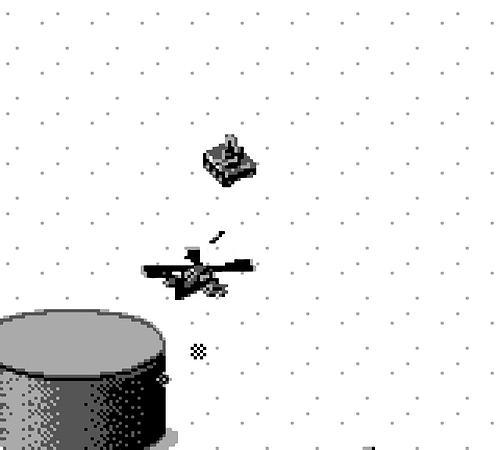
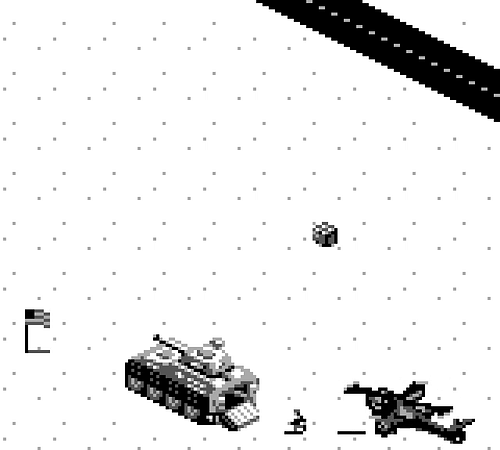
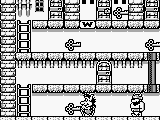
Desert Strike: Return to the Gulf drops you into an isometric, top‑down view where you pilot an Apache helicopter with a surprisingly deep resource system. You juggle three weapon types—a machine gun, Hydra rockets and Hellfire missiles—each with its own ammo count, while dodging anti‑air guns, missile launchers and tank fire that can quickly drain your armor. Fuel barrels and ammo crates litter the scrolling terrain, but the real lifeline comes from rescuing MIA soldiers and POWs; airlifting them to the landing zone instantly tops up your armor. The game’s design leans toward strategy rather than pure arcade chaos, letting you choose routes and prioritize objectives across multi‑directional levels. Even on the Game Boy, the port retains the original’s smooth vehicle animation and surprisingly rich sound effects, proving that the handheld could capture the 16‑bit classic’s blend of action and tactical planning.
Storyline
Desert Strike: Return to the Gulf opens with the self‑proclaimed General Kilbaba seizing a wealthy Persian Gulf emirate, installing himself as dictator and stockpiling weapons, even nuclear bomb facilities. The United States responds by sending a lone helicopter, piloted by an unnamed hero and a co‑pilot, to infiltrate and dismantle Kilbaba’s forces.
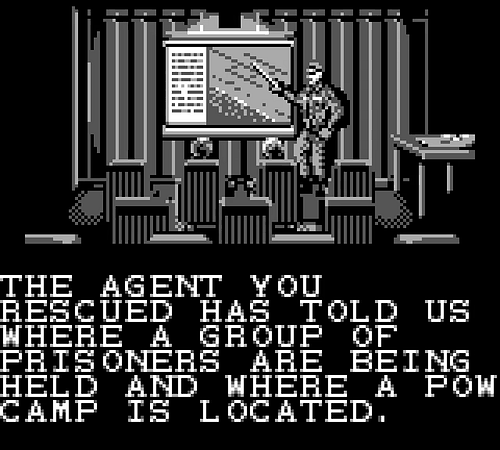
The campaign is divided into four missions. In Air Superiority the player destroys enemy airstrips and rescues a pro‑American spy; Scud Buster targets a chemical weapons plant, scud launchers, and evacuates civilians and POWs; Embassy City sees the rescue of a U.N. inspection team, the destruction of a biological weapons plant and its missiles, and the liberation of embassy hostages; finally, Nuclear Storm requires protecting an oil facility, disabling a nuclear plant, intercepting garbage‑truck‑disguised nuclear material, and stopping a bomber carrying Kilbaba’s last bombs.
The climax shows Kilbaba fleeing on a yacht, then perishing in a burning bomber as the player races to an airfield. The hero and co‑pilot are later greeted at the White House Rose Garden by President and Mrs. Bush, who congratulate the pilot for the victory.
Edited by Maya Carter
Game Screenshots
You might also like
Xerd no Densetsu 2: Xerd!! Gishin no Ryouiki
1993 Role-Playing
The King of Fighters '95
1996 Fighting
Hugo
1995 Action