
Play Bubsy II Online
Game Info
4.6 / 5
7 votes
- Platform
- Game Boy
- Genres
- Platformer
- Player Perspective
- Side view
- Developers
- Accolade
- Publishers
- Accolade
- Release date
- August 1, 1995
Summary
Bubsy II keeps the 2‑D side‑scrolling feel of its predecessor but adds a stage‑selection screen, letting you hop between worlds rather than march straight through. The squirrel now gathers marbles instead of yarn, can fire a quirky Nerf Ballzooka, and even brings a second player into the mix as one of his younger relatives, while surviving three hits before losing a life.
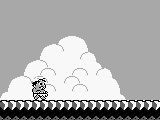
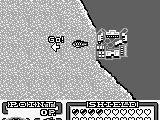
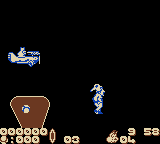
The Game Boy port feels like a stripped‑down cousin: level layouts are reshaped, graphics are limited to monochrome unless you pop the cartridge into a Super Game Boy, which adds a thin wash of colour. Those changes give the handheld version its own identity, even if the core platforming remains recognisable.
Critics were split. Some praised the handheld’s surprisingly solid controls and graphics for a Game Boy title, while others slammed it for sluggish pacing, bland enemies and a loss of Bubsy’s personality. Later retrospectives agree the game feels rushed—reused assets and uninspired stages keep it from ever truly clicking, even though it nudges the series a step up from the original’s rough edges.
Storyline
In Bubsy II for the Game Boy, the eccentric entrepreneur Oinker P. Hamm unveils his new attraction, the Amazatorium, a theme park filled with virtual worlds that mimic different historical eras. Behind the scenes, Oinker uses a time‑machine to pilfer artifacts and data from the past, subtly rewriting history so that only his park contains the stolen treasures.
Worried the park will be swamped on opening day, Bubsy’s niece Terri and nephew Terry decide to sneak in the night before to investigate. Their curiosity triggers a rescue mission when Bubsy and his trusty sidekick Arnold chase after them.
Together, Bubsy and Arnold race through the Amazatorium’s time‑twisted zones, aiming to save Terri and Terry and put an end to Oinker’s chronal thievery.
Edited by Maya Carter