Play McDonald's Monogatari: Honobono Tenchou Ikusei Game Online
Game Info
- Platform
- Game Boy Color
- Genres
- Simulation
- Player Perspective
- Top-down
- Developers
- TDK
- Publishers
- TDK
- Release date
- July 20, 2001
Summary
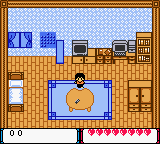
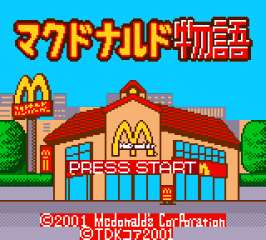
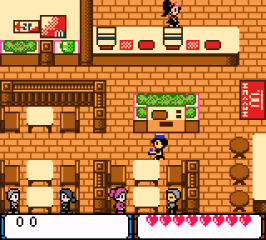
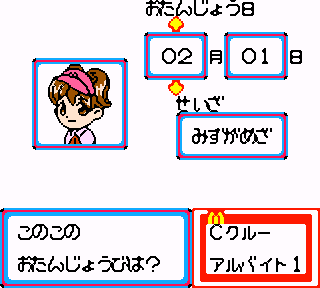
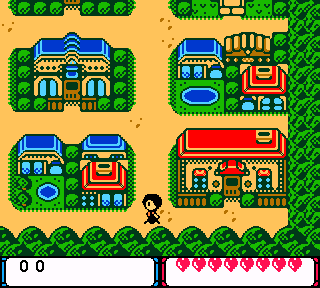
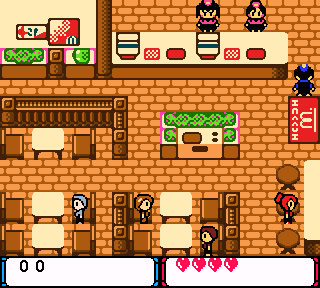
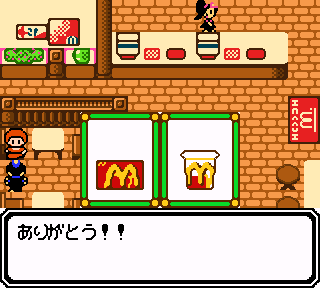
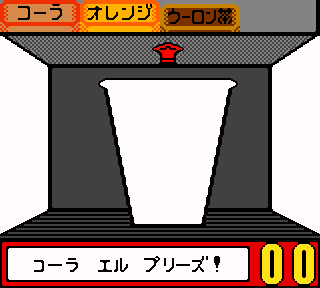
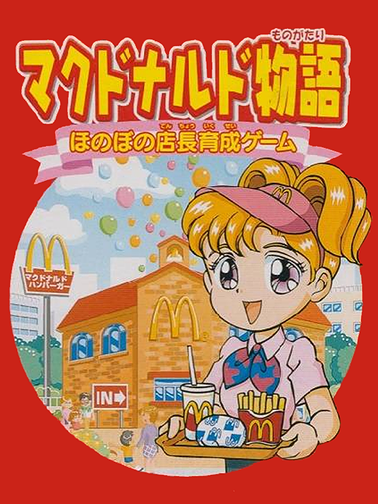
McDonald's Monogatari: Honobono Tenchou Ikusei Game (often just called McDonald’s Monogatari) is a quirky promotional tie‑in for the Japanese fast‑food chain that lands on the Game Boy Color. You step into the shoes of a restaurant employee, juggling the cash register, flipping burgers and serving customers through a set of five bite‑size mini‑games that mirror real‑world tasks. Scoring well boosts the trust of your five co‑workers, letting you promote them and eventually aim for the manager’s chair – even letting you pick the manager’s gender. At the start you name each part‑time staff member, with default placeholders like “Albait 3” if you skip the input. The game’s charm is undercut by its rough graphics, a broken email feature, odd moments such as customers paying with 2000‑yen bills, and a phantom “delivery” mini‑game that never appears. Critics were harsh; Famitsu’s cross‑review gave it a meager 22 out of 40, and some reviewers even dubbed it a “crap game.”
Storyline
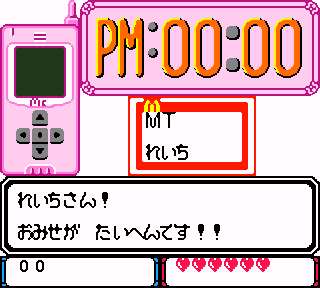
McDonald's Monogatari: Honobono Tenchou Ikusei Game (often shortened to the McDonald’s Manager simulation) puts you in the shoes of a fast‑food clerk on a one‑year apprenticeship. Your primary goal is to work the shifts, improve performance, and climb the ladder to become the store manager. The game isn’t just about serving burgers; it weaves in light romance options with fellow part‑timers, letting you pursue brief flirtations while on the job. Occasionally, a holiday outing is interrupted by a sudden phone call demanding your help, adding a quirky urgency to the routine. As a bonus, the title includes a completely unrelated fortune‑telling mini‑game that lets you check your luck between shifts.
Edited by Maya Carter
Game Screenshots
Multiplayer
- Game modes
- Single
External Links
You might also like
Prince of Persia
1999 Platformer
Dear Daniel no Sweet Adventure: Kitty-chan wo Sagashite
2000 Adventure
Cannon Fodder
2000 Shoot 'em Up