
Asteroids
1999 Shoot 'em Up
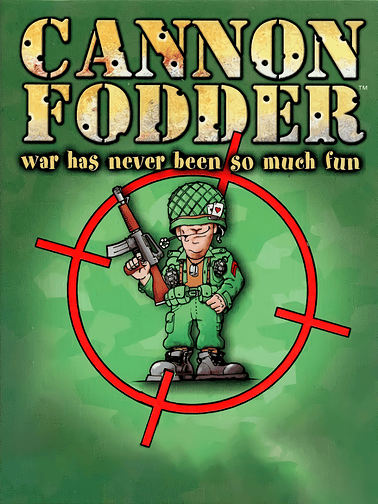
Cannon Fodder blends top‑down shoot‑em‑up action with light strategy, letting you command a squad of up to six soldiers across 72 distinct levels. You point‑and‑click to highlight a man or a group, left‑click to move them, and right‑click to fire; pressing both buttons launches grenades or rockets that can wipe out clusters of enemies, buildings or even vehicles. Water slows your troops and disables shooting, so securing bridges becomes a tactical priority, while trees and terrain features provide handy cover.
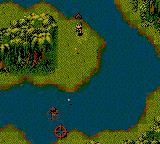
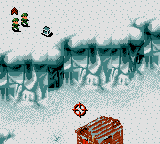
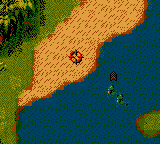
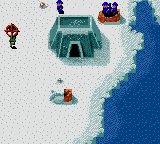
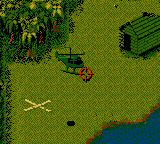
Each mission imposes a specific goal and throws in varied environments—igloos, snow‑covered fields, rivers, quicksand and mine‑strewn zones—plus occasional vehicles such as tanks, Jeeps or helicopters that can ease the fight. Ammo for explosives is scarce, so you must decide whether to retrieve supply crates or detonate them from a safe distance, and you can split the squad to spread risk and cover more ground.
The game was born in a cramped one‑room office of Sensible Software, a six‑person team that built on ideas from Mega Lo Mania and added a mouse‑driven overhead view. Notable for its surprisingly realistic homing‑missile code, the title also sparked controversy in the UK for using a poppy symbol that many saw as disrespectful, prompting a box‑art redesign that replaced the poppy with a soldier silhouette.
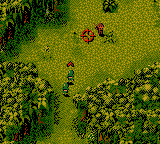
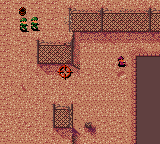
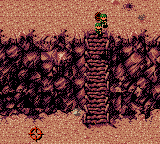
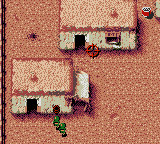
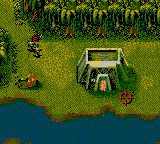
Cannon Fodder on Game Boy Color is a military‑themed tactical game where you direct a small squad through a series of missions, fighting enemy infantry, vehicles and installations. Each mission lets you command up to six soldiers, the exact number varying with the level’s requirements. The gameplay focuses on positioning and timing as you guide your troops across the battlefield.
What sets the game apart is its personal touch: every one of the several hundred protagonists is given a name, and when they fall, a gravestone appears on the inter‑mission screen. The gravestones change according to the soldier’s in‑game rank, underscoring that each loss is an individual sacrifice. As designer Jon Hare explained, “The graves show that people died and their names mean they're not just faceless sacrifices.”
The missions span diverse environments—jungle, snow, desert—reflecting the designers’ claim that the title draws on “all wars ever.” The overall tone is deliberately anti‑war, aiming to make players realise how senseless conflict can be and that real people die in it.
Edited by Maya Carter
1999 Shoot 'em Up
2001 Action
2001 Action

2000 Racing