Play Waku Waku 7 Online
Game Info
3.4 / 5
12 votes
- Platform
- Arcade
- Genres
- Fighting · Arcade
- Player Perspective
- Side view
- Developers
- SUNSOFT
- Publishers
- SNK · SUNSOFT
- Release date
- November 21, 1996
Summary
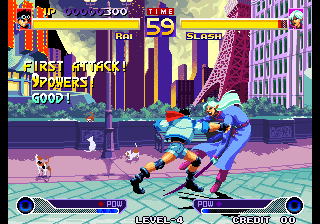
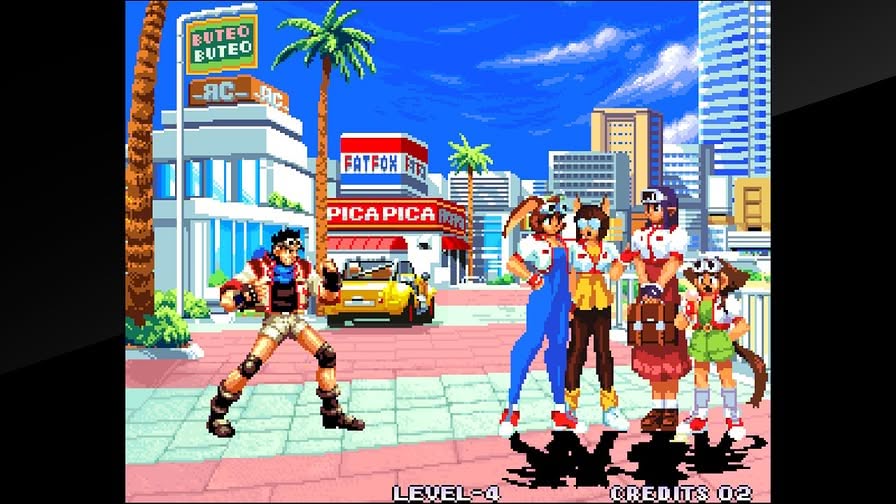
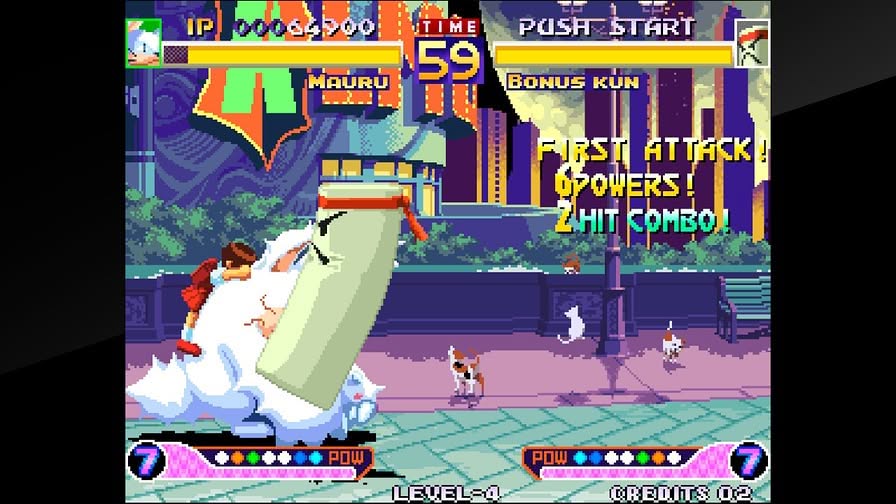
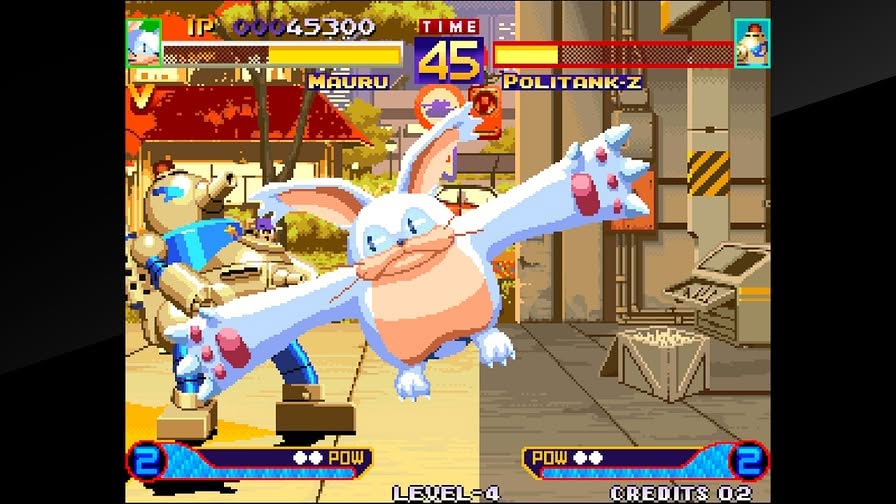
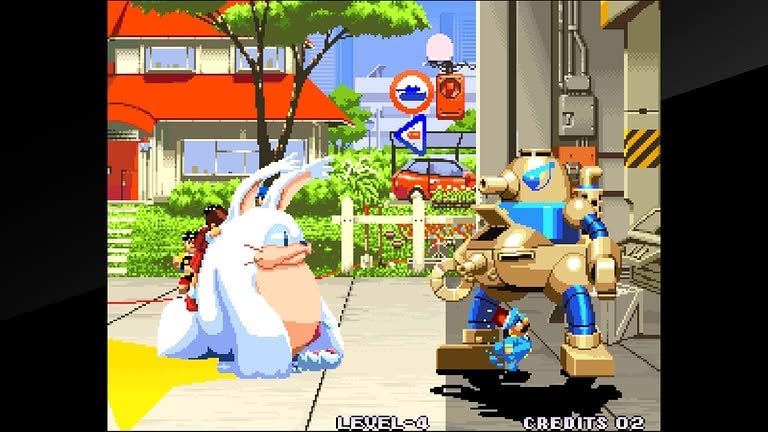
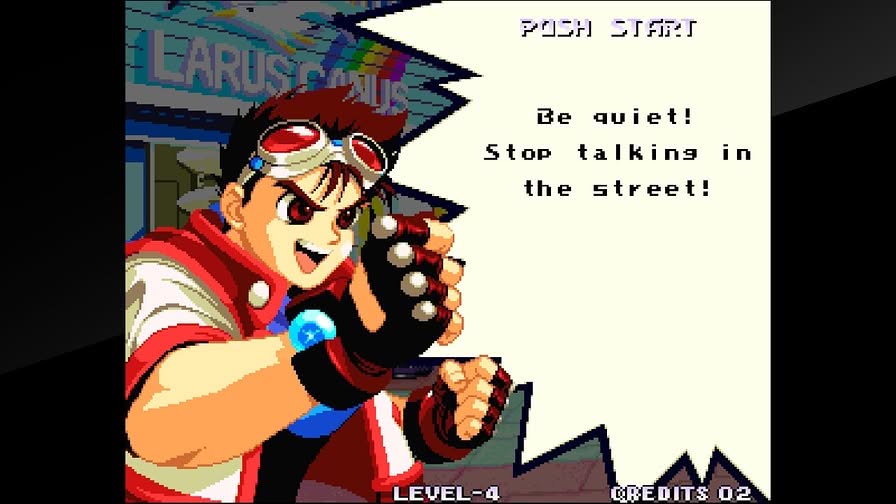
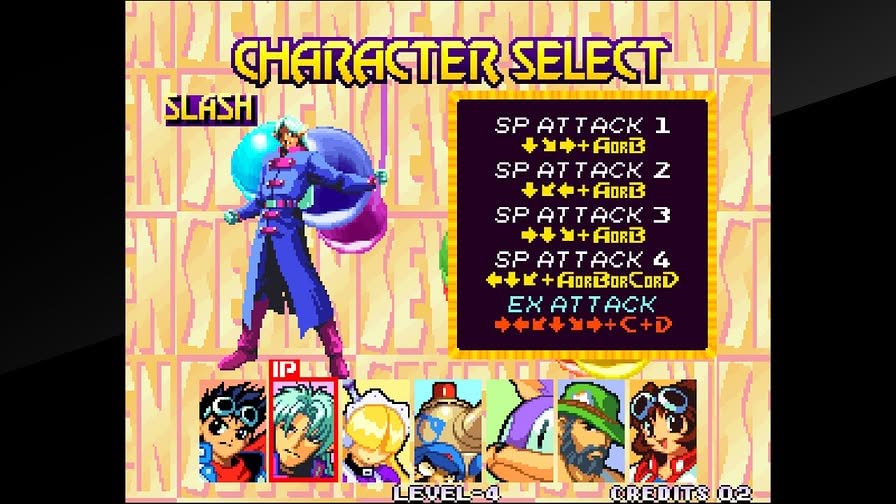
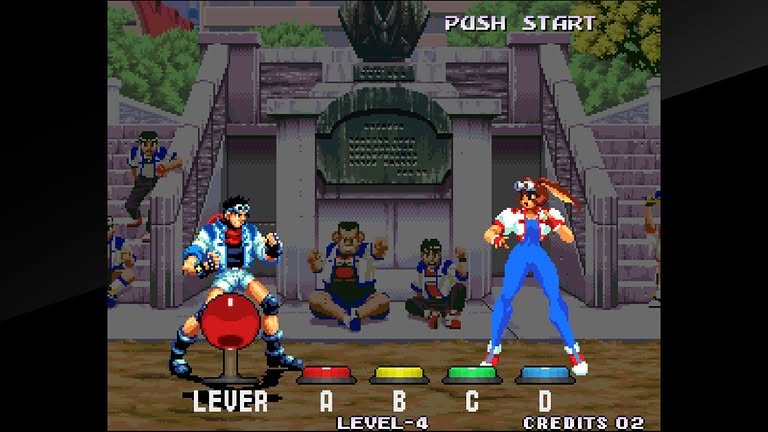
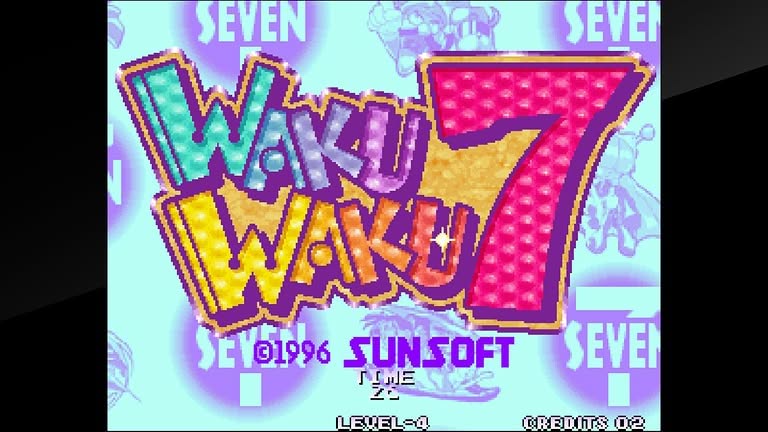
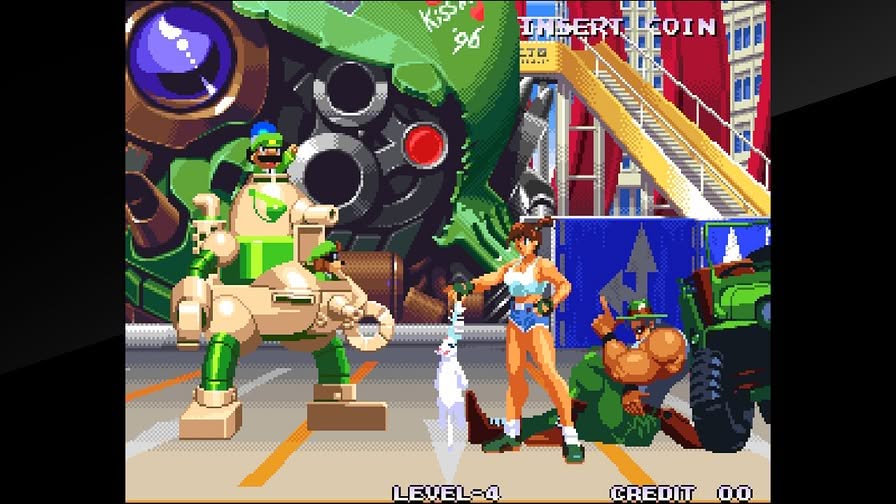
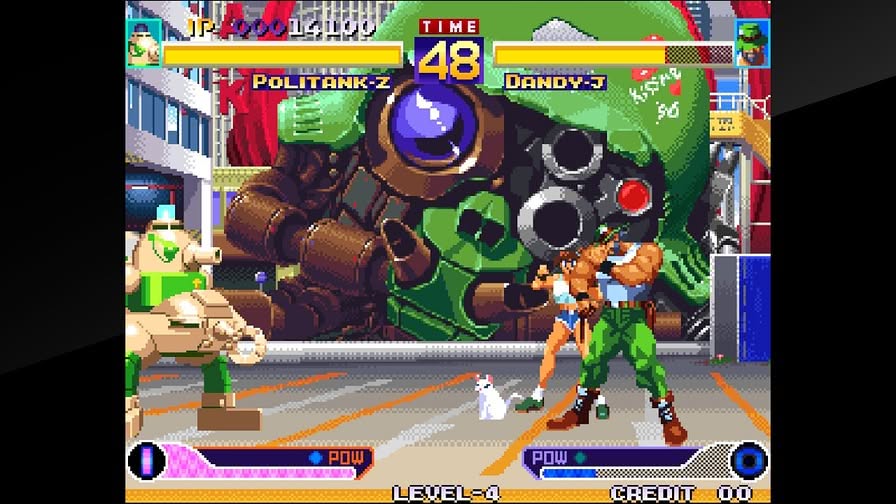
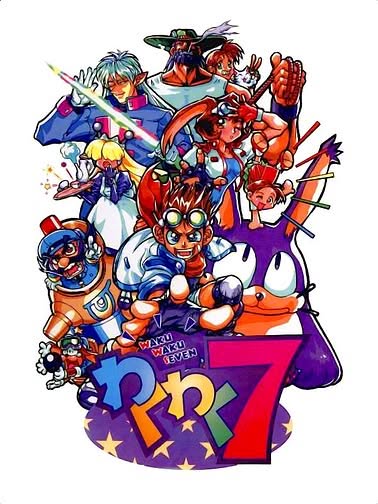
Waku Waku 7 bursts onto the Neo Geo MVS with a quirky roster that feels like a love‑letter to classic arcade fighters. The hardware under the hood is pure 90s nostalgia – a Motorola 68000 humming at 12 MHz, a Zilog Z80 handling sound at 6 MHz, and a Yamaha YM2610 FM synth that fills the arena with bright, punchy tones, all displayed in a crisp 304×224 canvas of 4,096 colors. What really sets the game apart is its "Harahara" motion: each of the nine fighters (two hidden unless you’re in Versus mode on the console ports) charges a massive, unblockable attack that flashes a warning and blares an alarm, yet can be interrupted if you time it right. The combat feels oddly familiar, borrowing SNK staples like four basic attacks and dynamic screen‑zoom, while also letting characters launch across the screen, bounce off the ground, and even strike while getting up. It’s a playful mash‑up of parody and mechanics, and the sheer variety of playstyles makes every match feel fresh, even after countless rounds.
Storyline
The arcade fighter Waku Waku 7 revolves around the legend of seven mystical WakuWaku Balls that grant the holder’s deepest wish. Anyone who gathers all seven is said to see their most cherished desire fulfilled, sparking a fierce scramble among hopeful hunters.
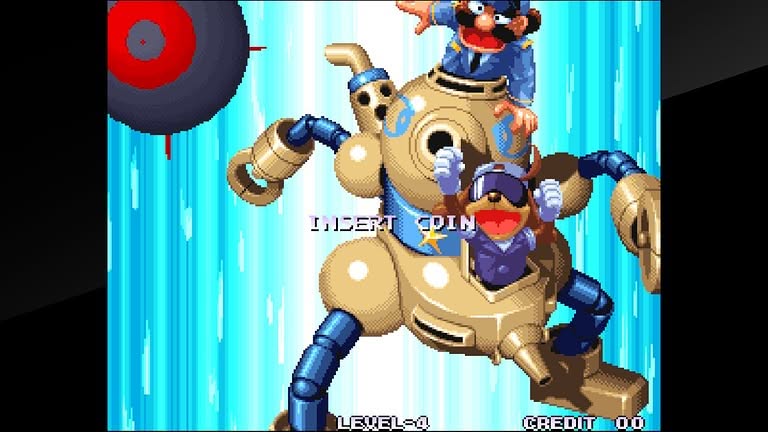
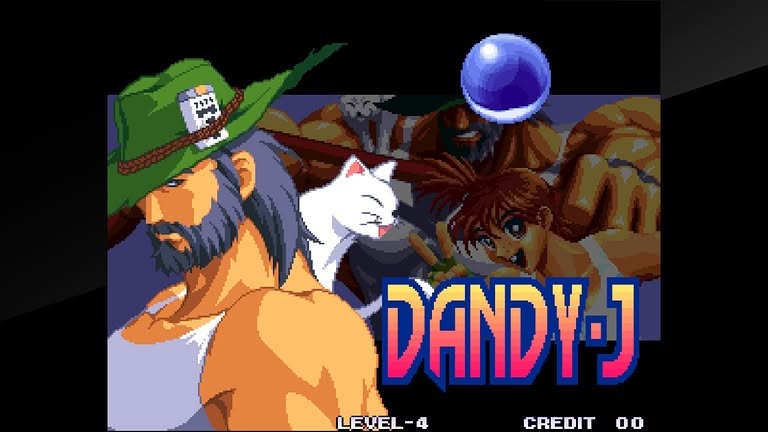
Rai Bakuoh, a cocky 13‑year‑old, chases the balls for the thrill of ever‑more exciting adventures. Fourteen‑year‑old Arina Makihara, recognizable by her bunny‑ear headband, seeks a “nice love.” Treasure‑hunter Dandy‑J is hired to retrieve the balls but claims no personal wish. Slash, indifferent to any wish, believes his destiny is to lift a curse from his sword. Tesse fights to cure Dr. Lombrozo’s illness and, above all, to become human.
Edited by Maya Carter
Game Screenshots
Arcade Machine
- Developers
- SUNSOFT
- Machine Style
- Upright
- Control Panel
- Multi-player
- Input Devices
- Joystick · Buttons
- Screen Orientation
- Landscape
- Sound
- Mono · Stereo