Play The Legend of Kage Online
Game Info
3.7 / 5
15 votes
- Platform
- Arcade
- Genres
- Puzzle · Strategy · Beat 'em Up · Arcade
- Player Perspective
- Side view
- Developers
- Taito
- Publishers
- Taito · Imagine Software · Nidecom Soft
- Release date
- October 1, 1985
Summary
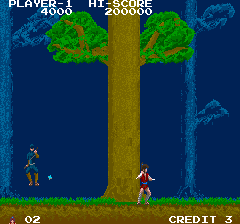
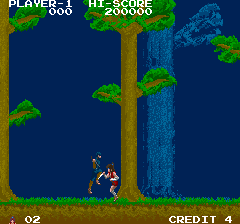
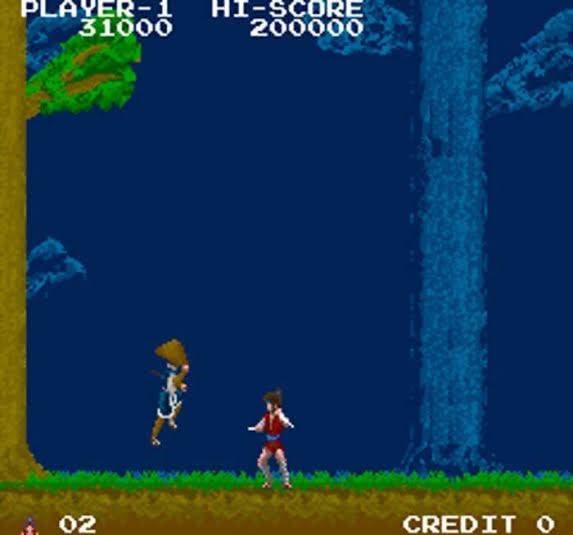
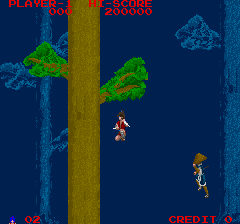
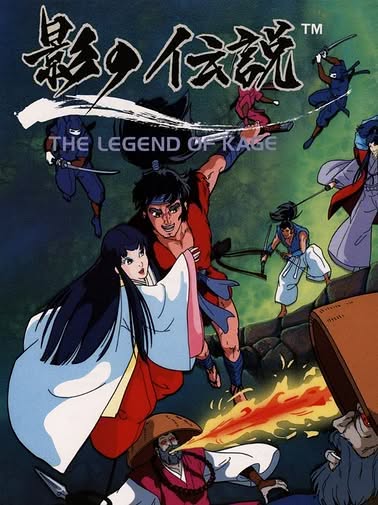
In The Legend of Kage you become Kage, a nimble ninja armed with a kodachi shortsword and an endless supply of shuriken. Random crystal balls pop up, swapping his red garb for green or orange and granting bigger shuriken or a speed boost—yet a hit in those colors merely strips the upgrade instead of ending the run. Scrolls let him pause and meditate, turning any nearby foes into dead silhouettes, a quirk that appears only in the arcade version. The stages fling you through forests, fortress walls and fields, battling rival ninjas, samurai, wolves and mythic bosses like the fire‑breathing Twin White Monks.
Composer Hisayoshi Ogura gave the soundtrack a distinctly Japanese flavor, first on a MSM5232 synth chip before moving to an FM board that became the final sound source. After a surprise showcase saved it from the cutting room, the game spread to home consoles in ’86, showed up in Taito Legends collections, and even slipped onto an unlicensed SG‑1000 cartridge in Taiwan.
Storyline
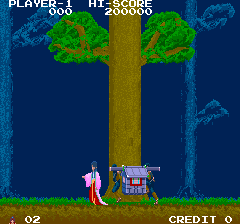
The Legend of Kage (often just called Legend of Kage) puts you in the shoes of Kage, a young Iga ninja on a daring rescue mission. His target is Princess Kiri, the Shogun’s daughter, who has been captured by the warlords Yoshi (Yoshiro Yukikusa) and Yuki (Yukinosuke Kiri). Kage battles through a dense forest, slips into a hidden passageway, climbs a towering fortress wall, and fights his way inside the castle, confronting both samurais and rival ninjas along the way. The game requires you to save the princess twice in the arcade version (three times in the NES/FC version). Each successful rescue triggers a seasonal shift—summer turns to fall, then winter, before returning to summer—adding a visual cue to your progress.
Edited by Maya Carter
Game Videos
Game Screenshots
Arcade Machine
- Developers
- Taito
- Machine Style
- Upright
- Control Panel
- Single-player
- Input Devices
- Joystick · Buttons
- Screen Orientation
- Landscape
- Sound
- Mono
Multiplayer
- Game modes
- Cooperative
- Multiplayer setup
- Hot Seat
External Links
You might also like
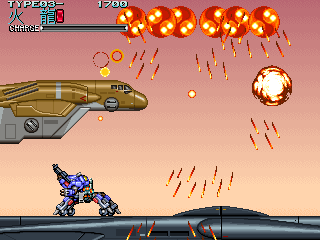
Wolf Fang: Kuhga 2001
1991 Shooter
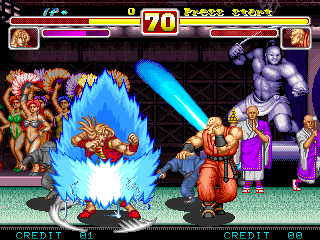
Power Instinct 2
1994 Fighting