
Play Tempest Online
Game Info
4.4 / 5
19 votes
- Platform
- Arcade
- Genres
- Shooter · Arcade
- Developers
- Atari
- Publishers
- Electric Dreams Software · Superior Software Ltd. · Atari · Atari Corporation
- Release date
- October 1, 1981
Summary
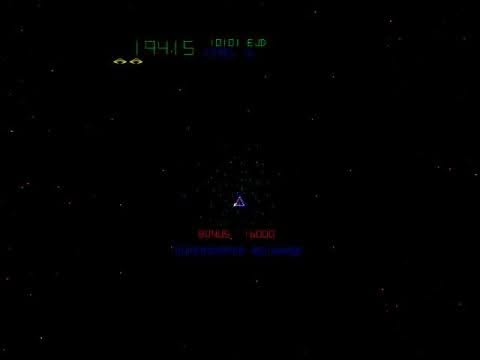
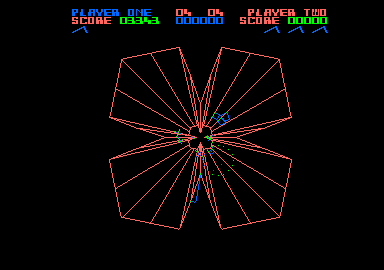
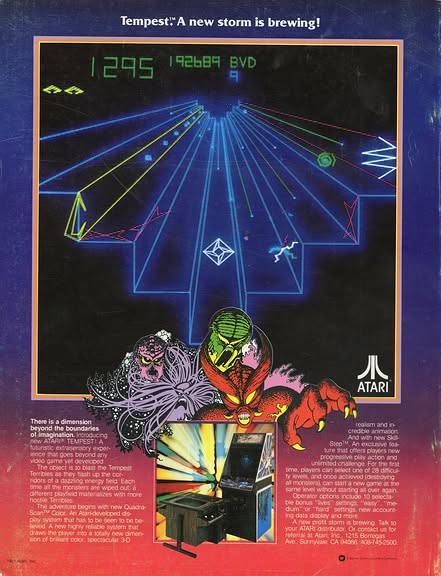
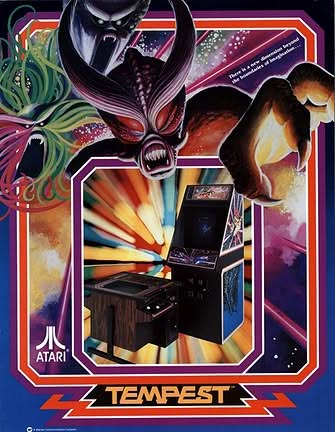
Tempest still feels like a neon‑lit puzzle as much as a shooter. Its most eye‑catching feature is the right‑triangle cabinet that sits like a futuristic sculpture in the arcade, while the game itself runs on Atari’s Color‑QuadraScan vector monitor, drawing crisp lines that seem to leap out of the screen. The player’s ship – a claw‑shaped “blaster” – rides the rim of a 3‑D tunnel that can be a line, a circle, an infinity symbol or a host of more exotic shapes, all controlled by a single rotary spinner that lets you sweep clockwise or counter‑clockwise with almost no lag.
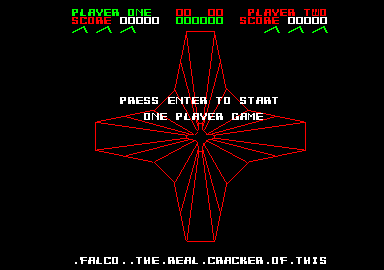
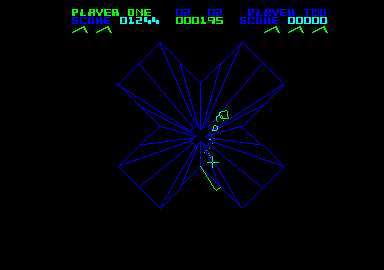
The core loop is simple yet addictive: fire down the lanes, dodge enemies that crawl up the tunnel, and unleash the once‑per‑level Superzapper to wipe the screen clean. Tempest was the first arcade title to let you pick a starting level with its “SkillStep” system, effectively turning a high score into a continuation. Sixteen distinct tube designs rotate in color and difficulty, then the sequence repeats with new patterns, and after level 80 the game even goes invisible, forcing you to rely on memory and sound cues.
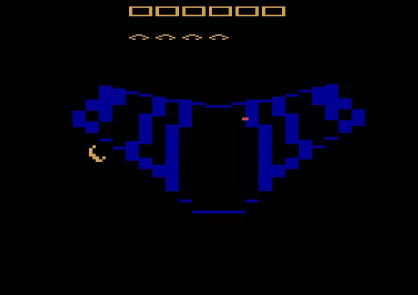
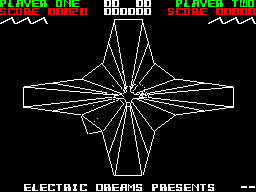
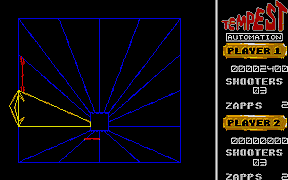
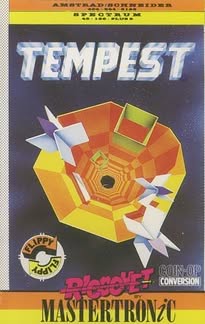
Beyond the arcade, the game migrated to the Atari ST, BBC Micro, Acorn Electron, ZX Spectrum and Amstrad CPC, while unfinished Atari 2600 and 5200 prototypes still circulate among collectors. Enthusiasts have even opened the source code – a 20 KB 6502 assembly program – and built conversion kits that add new tube shapes, a Major Havoc control panel, or bundle the original Vortex and Aliens Vector prototypes.
Technically, Tempest’s roar comes from two Atari POKEY chips delivering eight‑voice sound, and its spinner is a four‑bit digital input. The high‑intensity vector beam can stress the monitor’s low‑voltage section, so many restorers install LV2000 or LV6100 upgrades to keep the picture bright without frying the hardware. All these quirks make Tempest a living museum piece that still dazzles anyone who sits down at the spinner.
Storyline
In the arcade classic Tempest, you pilot a bright yellow, crab‑shaped ship that skims the outer edge of a twisting, three‑dimensional tunnel. The tunnel’s walls form a series of “alleys” that stretch toward the screen, and enemies pour out of them toward you.
Your job is to blast the foes as they appear, while dodging any that manage to descend the alleys. The tunnel constantly reshapes itself into a variety of patterns, keeping the action fresh. When you need a quick clean‑up, the ship’s “superzapper” can wipe out every enemy still in the tunnel in one flash.
Edited by Maya Carter
Game Screenshots
Game Artworks
Arcade Machine
- Developers
- Atari
- Machine Style
- Cocktail Table · Mini Upright · Upright
- Control Panel
- Single-player
- Input Devices
- Spinner · Buttons
- Screen Orientation
- Portrait
- Sound
- Mono
Multiplayer
- Multiplayer setup
- Hot Seat
External Links
You might also like
Hyper Olympic '84
1988 Sports