Play Sega Ninja Online
Game Info
- Platform
- Arcade
- Genres
- Fighting
- Release date
- January 1, 1986
Summary
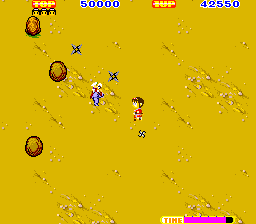
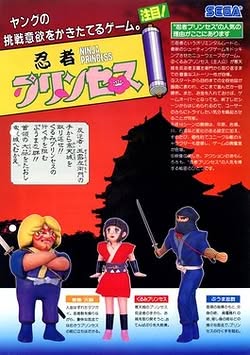
Sega Ninja, known in Japan as Ninja Princess, kicks off with a brief cutscene of Princess Kurumi being whisked away in a palanquin while her castle, Kanten, falls to the treacherous Zaemon Gyokuro. She breaks free, transforms into a kunoichi, and darts into a world that feels more like a vibrant cartoon than a typical run‑and‑gun. The art, crafted by Flicky’s Yoshiki Kawasaki and Phantasy Star’s Reiko Kodama, bursts with bright colors and exaggerated proportions, even having Kurumi sit down and sob when she’s hit.
Gameplay leans on an endless supply of throwing knives, with occasional shuriken upgrades and a short‑lived invisibility power‑up to keep things fresh. Enemies range from samurai and rival ninjas to barking dogs, and while most stages scroll vertically, a few surprise you with wall‑climbing sections. The mix of feudal‑Japan scenery and a female ninja lead makes it stand out in the genre.
Back in April 1985, Japanese arcade reports crowned Ninja Princess the top‑selling table cabinet, a testament to how its cute aesthetic and fast‑paced action resonated with players despite its stereotyped charm.
Storyline
Sega Ninja, the arcade classic, drops players into Japan’s Edo period around 1630. In the western province of Ohkami, a ruthless tyrant named Gyokuro has seized control, imposing a harsh regime. The hero’s mission is to topple Gyokuro’s rule and bring peace back to the land. The game’s narrative centers on this struggle for freedom during a turbulent era.
Edited by Maya Carter
Game Screenshots
Arcade Machine
- Developers
- Sega
- Machine Style
- Upright
- Control Panel
- Single-player
- Input Devices
- Joystick · Buttons
- Screen Orientation
- Portrait
- Sound
- Mono
Multiplayer
- Multiplayer setup
- Hot Seat
External Links
You might also like
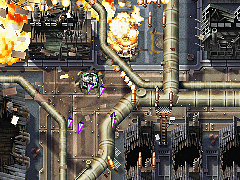
Ibara
2005 Shooter